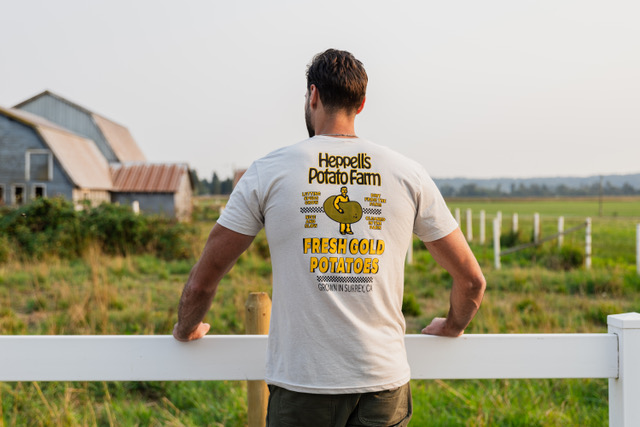
After leaving a successful corporate career in search of greater meaning, Potato Ty found purpose in farming – and has since become one of Canada’s most recognizable voices in agriculture. In this conversation, he shares how farming reshaped his definition of success and what it will take for Canada to become a global leader in sustainable, innovative food production.
You’ve spoken openly about feeling a lack of purpose in corporate life and ultimately rediscovering it through agriculture. What does purpose mean to you today, and how has farming reshaped the way you view success and fulfillment?
Purpose to me today is waking up excited about what I’m building and knowing my work impacts more than just myself. In my previous corporate sales career, I made good money, but I felt disconnected from the purpose behind it. Farming reshaped the way I view success because it taught me fulfillment comes from responsibility, teamwork, and building something long term that actually matters. At the end of the day, if I gave my all and I’m excited to wake up the next morning, I usually know I’m on the right path.
Through your platform, you’ve helped give people a more authentic look at life on the farm. Why do you think consumers are craving a deeper connection to the people and stories behind their food today?
People are more interested in their food now than ever before because they’ve become disconnected from how it’s actually grown and who grows it. I think consumers are craving authenticity and want a better understanding of the work, stress, and care that goes into producing food. Social media has given farmers the opportunity to finally tell their own stories directly. Once people see the amount of effort and risk involved in feeding a country, they gain a whole new appreciation for Canadian agriculture.
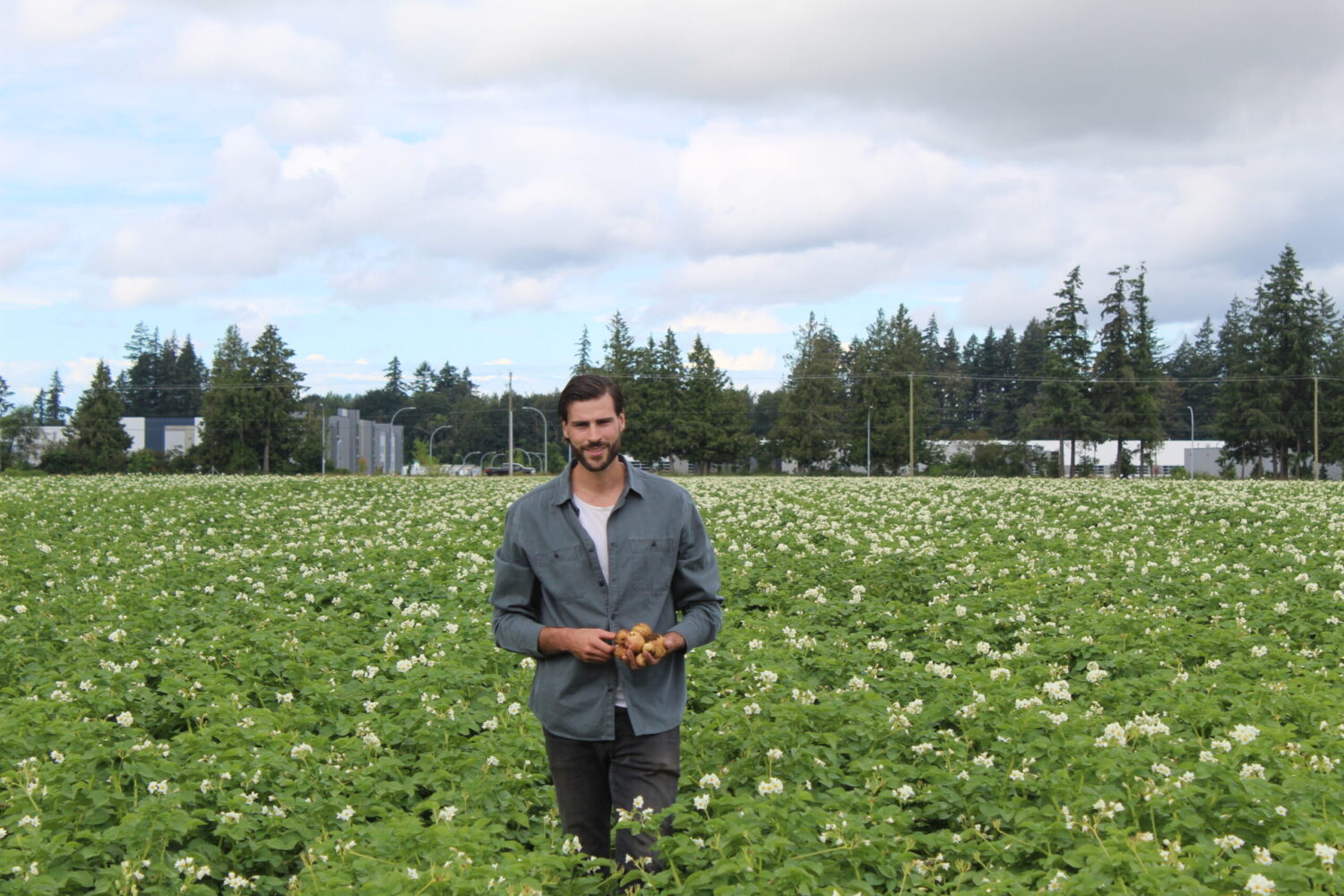
Sustainability has become an increasingly important part of the conversation around agriculture. Why is implementing sustainable farming practices so important to you personally, and how do you see those efforts shaping the future of the industry?
Sustainability matters to me because farming forces you to think in decades, not quarters. Most farmers already care deeply about soil health, reducing waste, improving irrigation, and protecting the land because our farms need to last for future generations. A lot of sustainable practices are things farmers have already been doing for years because they simply make sense for the farm long term. For me personally, reducing food waste is a huge focus and a big reason why we created initiatives like Ugly Potato Day.
As someone helping bridge the gap between consumers and farming communities, what is your vision for the future of food and agriculture in Canada? What are some of the key steps you believe the industry must take in order to continue thriving for generations to come?
My vision is for Canada to become globally known as a leader in agriculture. We have incredible farmland, innovation, and farmers here, but we also continue losing productive farmland every year. I think the future depends on three things: protecting our best farmland, improving water access and infrastructure, and continuing to support innovation so we can grow more food on less land. Canada has the opportunity to become an agricultural powerhouse while still producing food sustainably and responsibly.
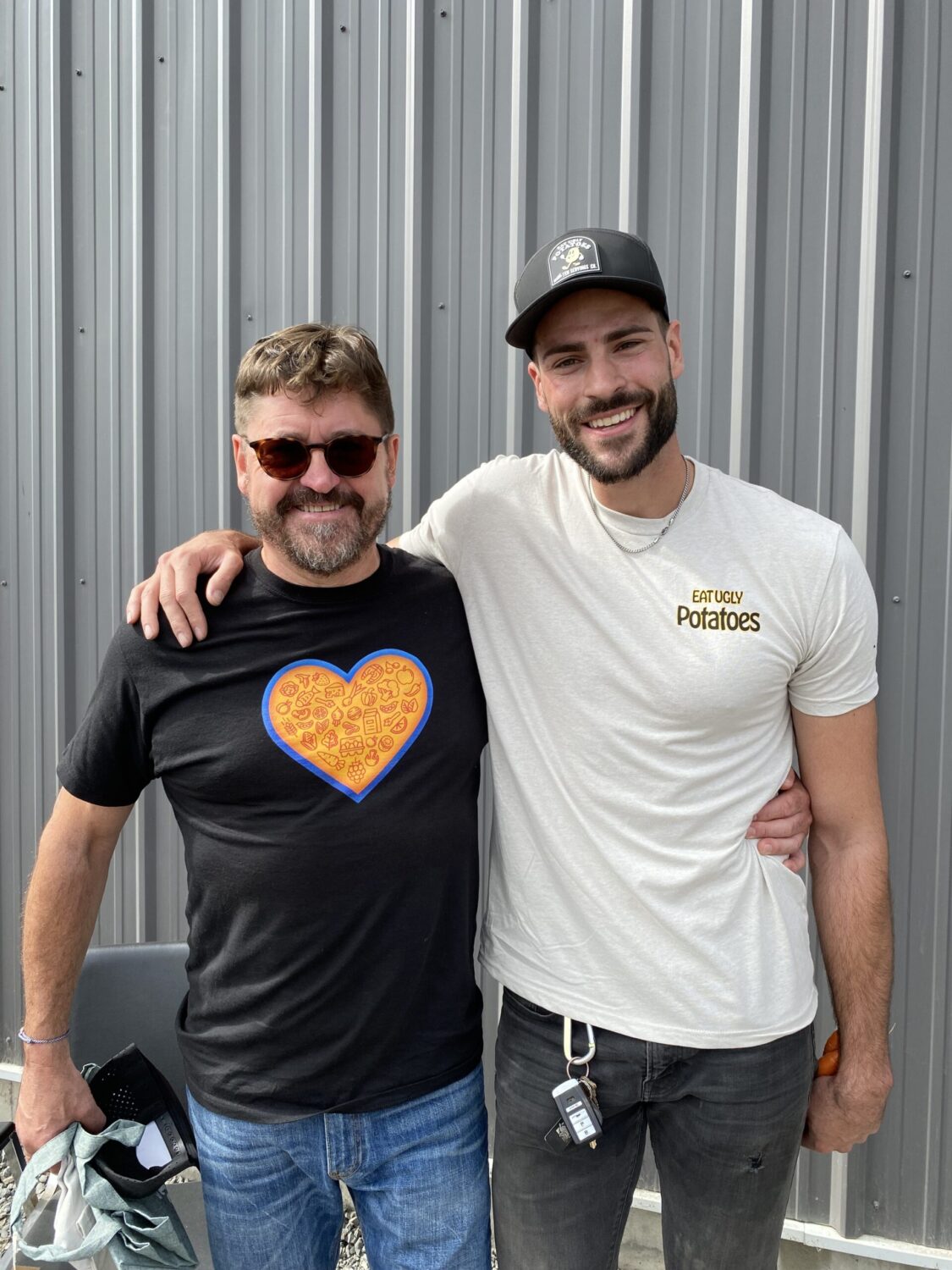
Agriculture continues to evolve with new technologies, changing consumer expectations, and global challenges. What excites you most about where the industry is headed over the next decade?
What excites me most is the amount of innovation happening in agriculture right now. From automation and AI to better irrigation systems and food waste reduction, I think the next decade is going to completely change how farms operate. Our own farm has invested heavily into automation, optical sorting technology, and robotics because we believe innovation will be critical to staying competitive. I also think younger farmers are sharing ideas and technology more openly than ever before, which will only accelerate progress across the industry.
Farming is often built on resilience, adaptability, and community. What lessons has agriculture taught you personally that continue to influence both your work and your outlook on life?
Farming has taught me resilience more than anything. There are early mornings, late nights, stress, and constant problem solving, but it’s also taught me the importance of adaptability and staying healthy mentally and physically. One thing I’ve learned is that you can’t give up easily in this industry because there’s always another challenge coming. Balancing farming, social media, public speaking, and business has shown me that I genuinely love what I do because even in the chaos, I still wake up excited for it.
