Innovating Canada


Lynn Côté
Executive Director,
Canada Cleantech Alliance
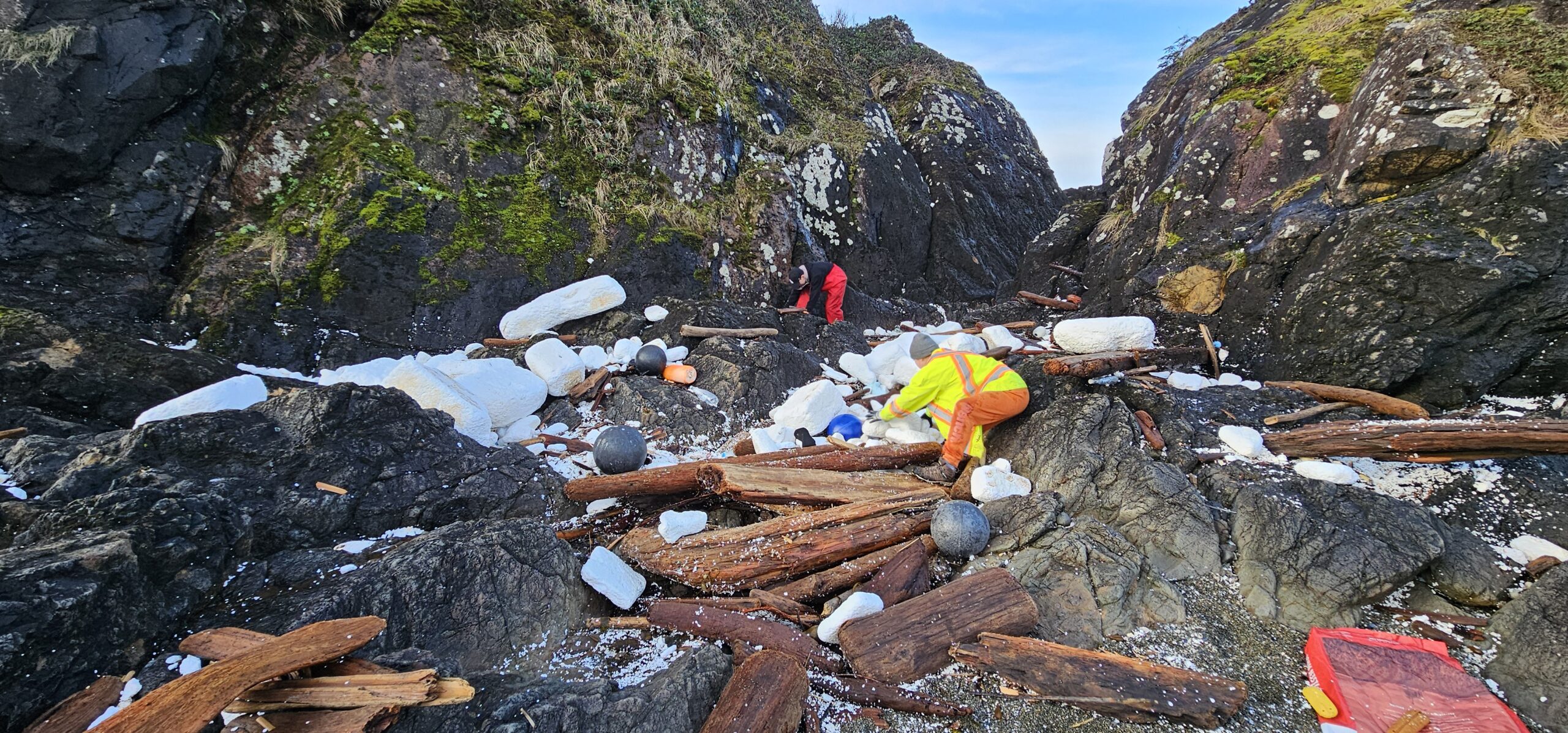
Circularity has become one of the defining concepts of the clean economy. The idea is both compelling and intuitive: instead of throwing valuable materials away, we recover them, transform them, and put them back into productive use. Waste becomes feedstock. Environmental liabilities become economic assets.
It is an inspiring vision—but one that is far more difficult to achieve than many people realize.
For every successful circular economy company, there are countless technical, financial, and commercial challenges that must first be overcome. Circularity is not simply about finding waste. It is about building an entire business model around materials that were never designed to become reliable industrial inputs.
The Three Economic Hurdles of Circularity
1. Feedstock Economics
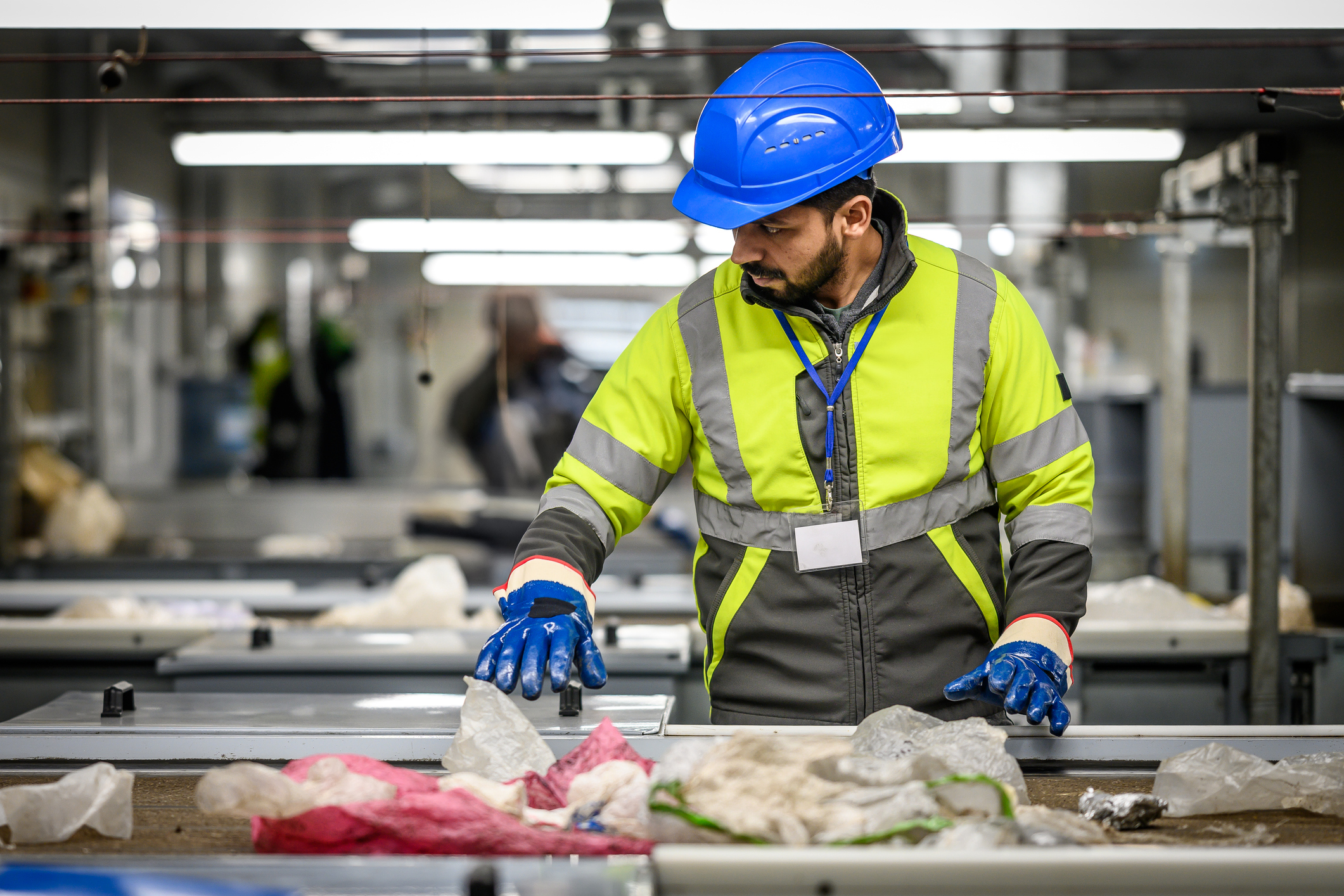
Waste is rarely free. Circular economy businesses depend on fragmented waste streams that must be collected, sorted, cleaned and transported before they can enter a manufacturing process. Companies often pay for feedstock or invest in collection systems, while transportation can become one of the largest operating costs. For many waste streams, the economics only work when materials are sourced within a relatively small geographic radius.
2. Commercialization Economics
Turning waste into a consistent, high-quality product requires sophisticated technology and significant capital investment. Waste-to-value facilities often resemble advanced manufacturing plants, with first-of-kind commercial facilities requiring tens or hundreds of millions of dollars before meaningful revenues are generated. The commercialization challenge is frequently not proving that the technology works—it is financing the first commercial-scale plant.
3. Market Economics
Even after solving the feedstock and technology challenges, companies must secure long-term customers willing to purchase circular products at prices that support the business model. Many products compete directly with fossil-based or virgin alternatives whose prices fluctuate with global commodity markets. When commodity prices fall, circular products can quickly become less competitive despite their environmental benefits. Long-term offtake agreements are therefore essential to reduce risk and attract investment.
Canada has many of the ingredients needed to become a global leader in circularity. We have world-class innovators, abundant resources, strong research institutions and growing demand for lower-carbon products.
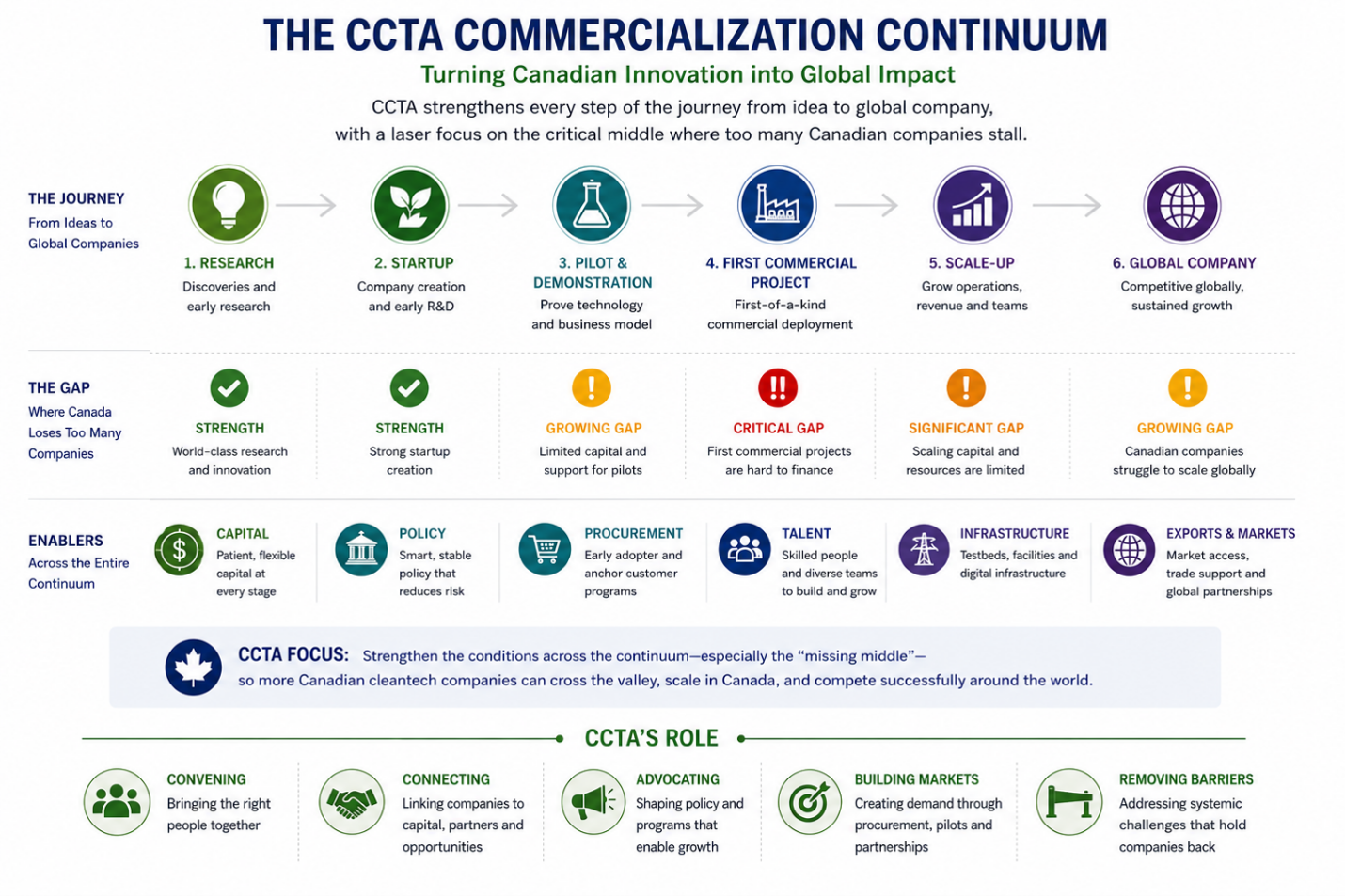
But turning waste into value is fundamentally a commercialization challenge. Success depends not only on technology, but on building business models that can secure reliable feedstock, finance capital-intensive facilities and obtain long-term customers willing to pay prices that support investment.
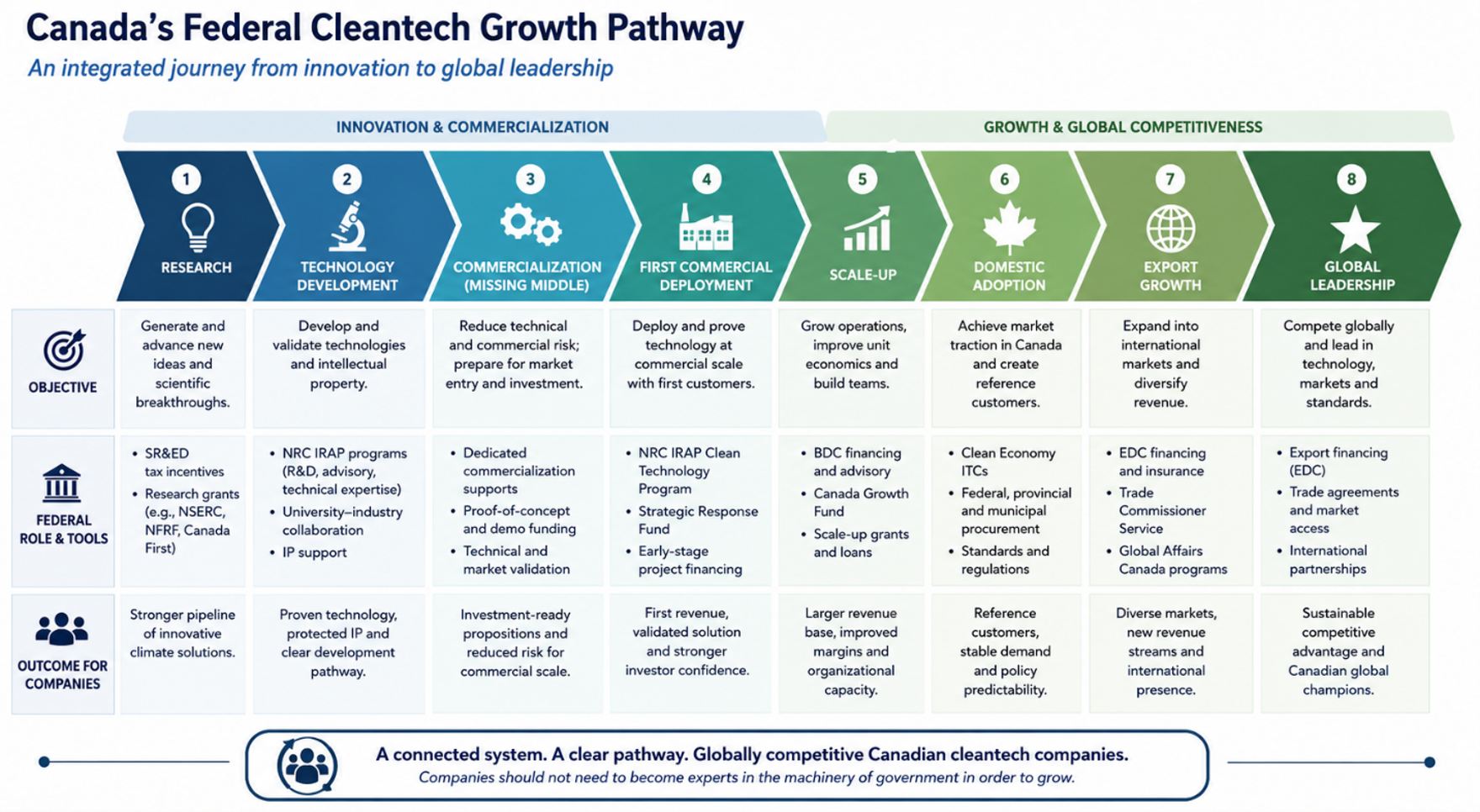
That is why the Canada Cleantech Alliance has advocated for policies that strengthen commercialization, including improved access to commercialization capital and the use of procurement as a commercialization tool. Together, these measures can help reduce investment risk and provide companies with the confidence to build first-of-kind facilities at commercial scale.
Circularity offers enormous economic and environmental potential. Unlocking that potential will require more than innovative technologies—it will require an ecosystem that enables innovative companies to commercialize them successfully.