Innovating Canada

Barriers to women’s access to finance can weaken markets for Canadian exports. A model pioneered in Niger shows how they can be overcome.
Canada’s once-reliable trading relationship with the United States has become increasingly uncertain. As tariffs and trade disputes strain economic ties, the search for new markets has taken on fresh urgency, with the government looking to deepen and diversify trade in Africa, the Indo-Pacific, and beyond.
Negotiations, diplomatic missions, and high-profile summits have dominated headlines. And understandably so. Trade agreements can open doors to new markets for Canadian goods and new suppliers for Canadian businesses. But what they deliver depends on the strength and stability of the economies on the other side.
Around the world, women face obstacles to saving, borrowing and investing, including discriminatory lending and restrictions on property ownership. The consequences are felt by women and their families—and entire economies. The World Bank estimates that if women started and expanded businesses at the same rate as men, they could add US$5–6 trillion to global GDP.
A solution pioneered in Niger
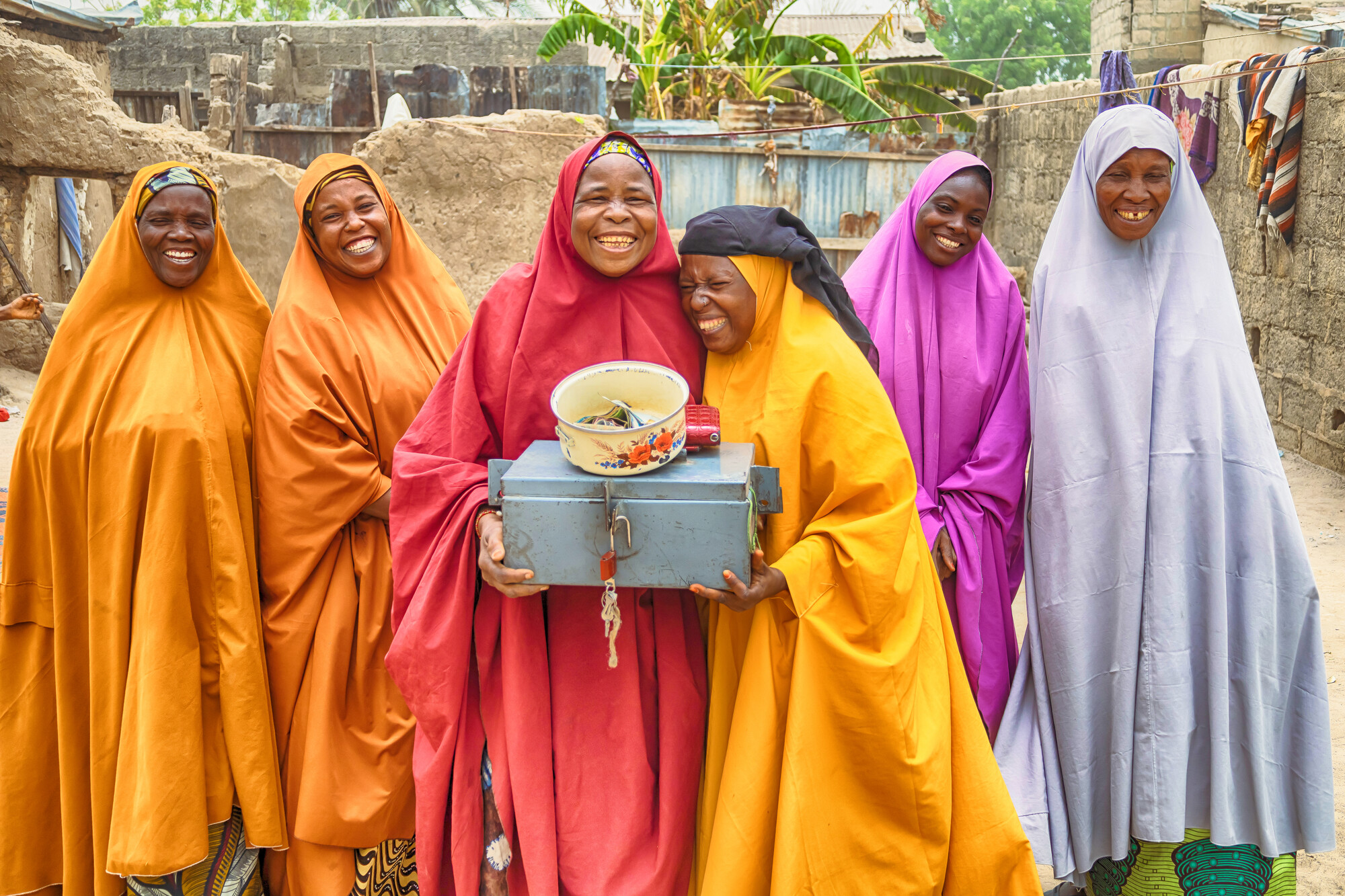
In 1991, a group of women in rural Niger were confronting barriers to finance familiar to women across the globe. They farmed small plots of land producing just enough food to feed their families. They had plans to improve their yields and ideas to earn income. What they didn’t have was capital.
When CARE, an international development organization, began working in the community, staff asked what they did when they needed cash. The women explained how they each contributed to a savings pool and took turns receiving the pot. It worked, but only up to a point. The rotation approach was limiting, and their savings never grew.
Together, CARE and the women began shaping a solution.
The result was the foundation of what is now known as the Village Savings and Loan Association (VSLA) model. Members still contribute to a shared fund, but now borrow what they need, when they need it, repaying with interest at rates they set together. Interest stays within the group, allowing the fund to grow. At an agreed point, members divide the earnings among themselves.
For members, the fund can mean capital to invest in a business, money for their children’s education or savings to weather emergencies. It can also mean more food on the table and a greater say for women in household decisions.
Thirty-five years later, nearly 30 million people across 67 countries have joined Village Savings and Loan Associations. Last year alone, members, the majority of whom are women, saved an estimated US$1.8 billion.
The gains beyond the members
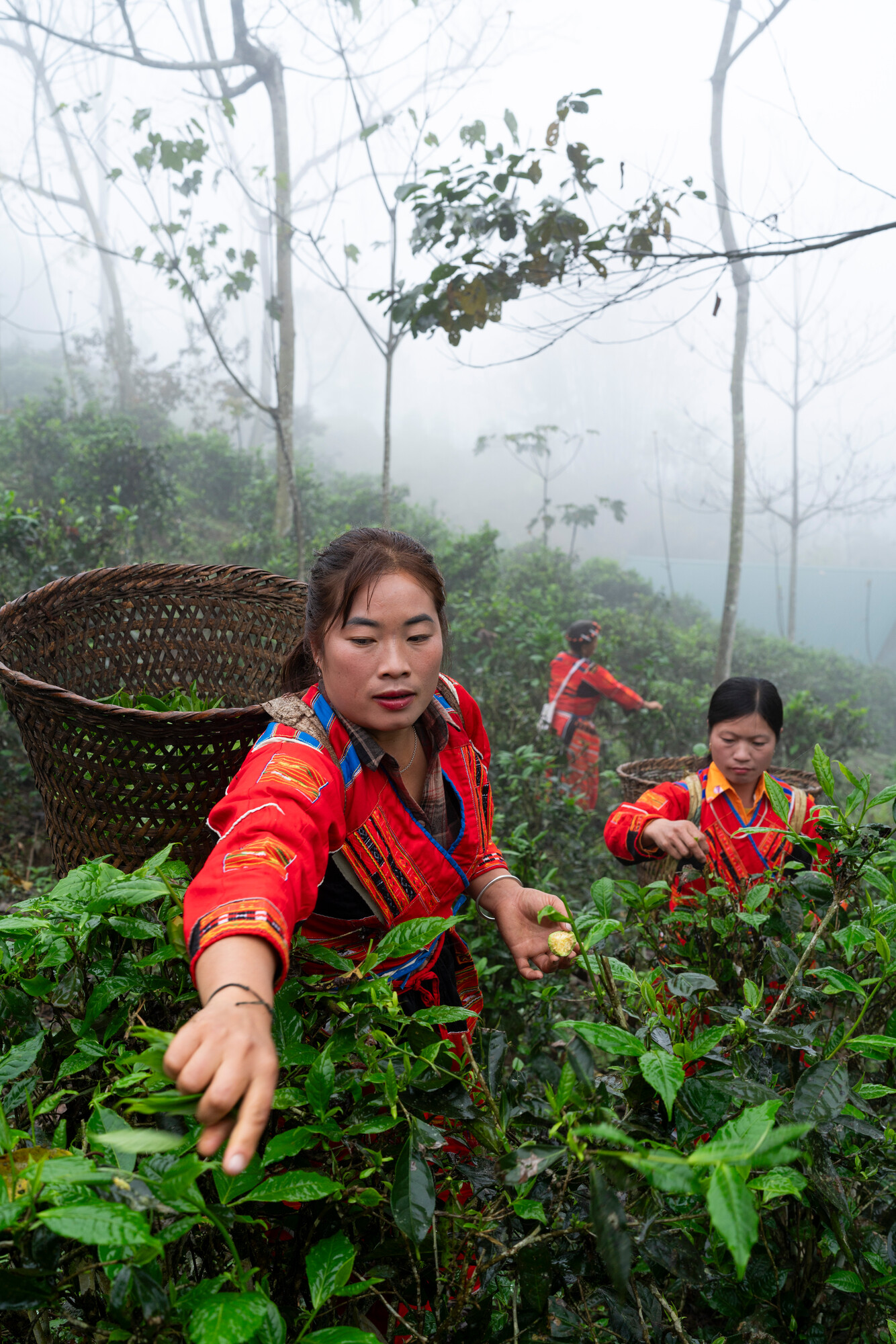
Behind those figures are opportunities whose benefits can reach far beyond the people who participate in VSLAs. Members who grow their businesses can create jobs for others, while increased spending brings more money into local economies.
In Vietnam, Hoang Thi Duong spent decades working alone as a cinnamon processor, struggling to make ends meet. After joining a Village Savings and Loan Association, she began envisioning a different future, not only for herself but for other women in her community. Today, she is the director of a thriving cinnamon cooperative that provides seasonal jobs for more than 170 people.
“For the first time, I see women in my village earning steady income [and] planning for the future,” Duong says. “Handing workers their pay and seeing their smiles makes me feel deeply proud. …I know I’m doing something that brings value to their lives.”
Multiply gains like Duong’s across communities, and they can help build stronger, more stable economies. If just one in ten of the nearly 30 million people reached by VSLAs started a small business, and each employed an average of two others, that would create six million jobs.
A model that keeps evolving
For the past 35 years, women and CARE have built on the VSLA model to support women’s economic ambitions.
Today, training equips members with skills to manage their money and run a business, while work with communities addresses gender norms that restrict women’s economic pursuits. Partnerships with fintech firms, banks, local businesses, and global corporations are helping women secure larger loans, connect with buyers and suppliers, and reach wider markets.
Beyond the marketplace, CARE and partners are working with governments and financial regulators to advance laws and policies that expand women’s economic opportunities.
What began with a shared savings pool in Niger now reaches into formal financial systems, supply chains and public policy. Throughout that evolution, women’s experiences have shaped the priorities and the solutions.
The potential ahead
The gains women have made through VSLAs are considerable, but so too is the potential still to be realized. Continued investment in approaches that support women’s economic ambitions can reach more women, deepen the benefits for those already involved, and transform lives for generations to come.
For Canada, that investment can also help strengthen the foreign economies on which its trade ambitions depend. Supporting women’s economic equality abroad isn’t separate from building a more secure and resilient economy at home. It’s one way to help achieve it.
Learn more at CARE.ca.