Innovating Canada


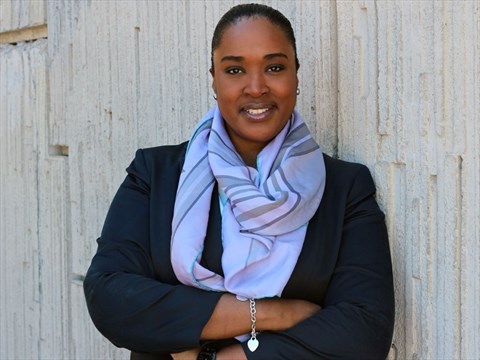
Dr. Jill Andrew
Co-Founder, Body Confidence Canada
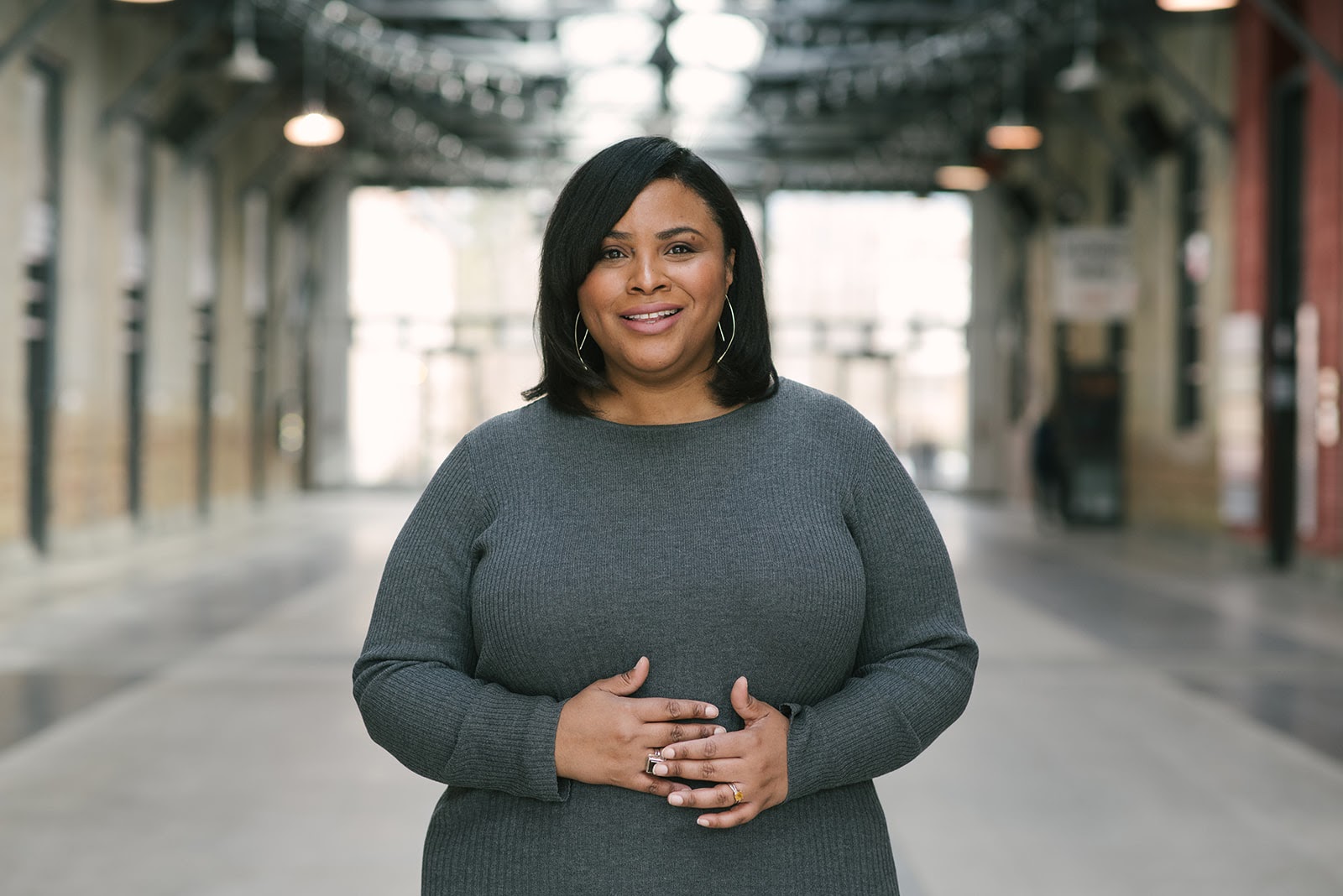
Aisha Fairclough
Co-Founder, Body Confidence Canada
Young people thrive socially, academically, and mentally when the systems around them work Body Confidence Canada explains.
When we talk about empowering young people, we often focus on what we want them to do: be bold, believe in themselves, rise above. But we rarely ask the harder question: what are we doing to build the world they deserve to grow up in?
At Body Confidence Canada (BCC), we believe empowerment isn’t just personal. It’s structural. Young people thrive in schools that can fully support their dreams meeting every youth where they are at. They thrive in communities brimming with libraries, community centres, sports, and outdoor opportunities for play and socializing. Body Confidence can’t be bought and it doesn’t exist behind a screen. Young people building healthy relationships in real life, exploring their surroundings, and building safer boundaries. That’s how we support young people’s body confidence.
Body-Based Discrimination Is a Barrier to Youth Potential
Long before a teenager walks into a classroom, they’ve already been inundated with messages about which bodies are valued. The result is a quiet crisis: young people opting out of leadership, athletics, and opportunity because they don’t feel safe or seen in their own skin. Body-based discrimination isn’t a rite of passage. It’s a barrier and it’s one we have the power to remove.
At Body Confidence Canada (BCC), we believe empowerment isn’t just personal. It’s structural.
BCC was founded on the belief that lasting change requires action at every level of society. That means advocacy for policies that protect young people from appearance-based discrimination not just in concept, but in law and practice.
What Systemic Change Actually Looks Like
BCC co-founded Body Confidence Awareness Week and successfully advocated for its recognition by two of Canada’s largest school boards: the Toronto District School Board and the Winnipeg School Division. These weren’t symbolic gestures, they were formal commitments that body confidence curriculum and programming belongs in education.
BCC also championed Bill 61, establishing Eating Disorders Awareness Week the first week of February across Ontario bringing critical conversations about body image, self-esteem, food literacy, and mental health into formal institutional spaces.
And because education must meet young people where they are at, BCC reviewed and adapted Dove’s My Hair, My Crown, a free tool for educators, parents/guardians, and mentors, bringing it to a Canadian audience. Designed for youth ages 11 to 14, it builds hair confidence in kids with natural, textured, afro, curly, locs and braided hair while fostering allyship in others. My Hair, My Crown helps address one of the most pervasive forms of appearance-based discrimination facing Black, Indigenous, and racialized youth: race-based hair discrimination.
The message is clear: when educators have the right tools, they can change a conversation in a single classroom and that ripple can change lives.
Empowering the next generation means more than handing young people tools for resilience. It means dismantling barriers that should never have existed in the first place. Everybody deserves to not just survive — but thrive.
Visit bodyconfidencecanada.com to access free tools and learn how to bring Body Confidence Awareness Week to your school or organization.
3 Ways Educators Can Support Body Confidence in Youth:
- Adopt Body Confidence Awareness Week programming in your school. Not sure? Contact Body Confidence Canada
- Download the free My Hair, My Crown toolkit at bodyconfidencecanada.com/copy-of-tools
- Examine the language used in your classroom. Words have power. Representation, equity, and inclusion are daily practices