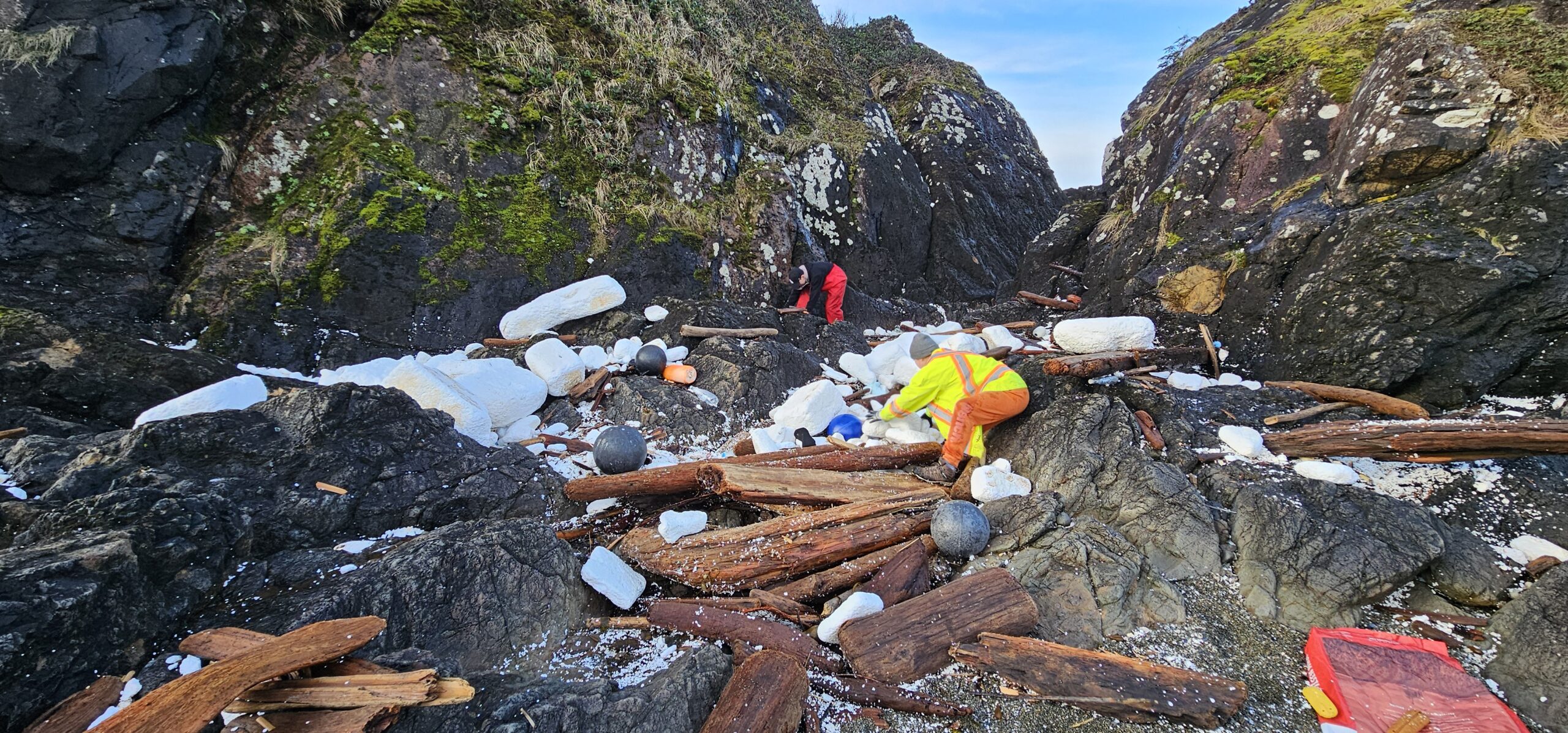
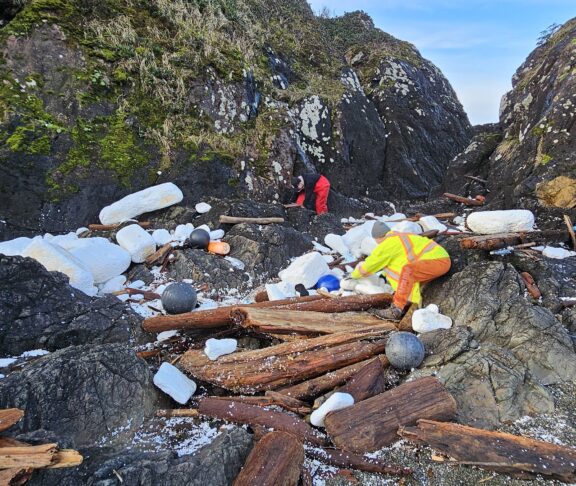

Chloé Dubois
Co-Founder, Ocean Legacy
Canada can lead the circular economy by transforming plastic pollution into new materials, jobs, and resilient infrastructure.
Plastic pollution is one of the greatest challenges our world is facing today. We are witnessing the largest solid-form oil spill of our generation, watching plastics flood our land, oceans, shores. Different types of plastics continue to escape waste management systems and enter waterways, threatening ecosystems and communities. To understand the scale of the problem, we must first understand what plastics are: polymers. Polymers are large molecules made of many smaller repeating chemical units linked together. The word comes from Greek words Poly (“many”), and meros (“parts”). Some popular polymers are polypropylene (PP), polystyrene (PS), and polyethylene terephthalate (PET). Sounds familiar? That is because these are the most commonly used polymers for consumer plastics such as beverage and personal hygiene bottles, food containers, packaging, etc.
The rise of the linear economy
Before the age of disposable plastics, consumer systems relied heavily on reuse. Materials were repaired, reused, or repurposed because they retained value, and mismanaged waste meant losing a resource.
The rapid commercialization of plastics changed that relationship with materials. Consumer markets shifted from bulk and returnable systems to individually packaged, single-use products cheap enough to become disposable.
The linear economy model became dominant: extract resources, manufacture products, sell them, use them, and discard them. Plastic’s durability became a problem when a material designed to last for generations was used for products intended to be instantly discarded.
Today, plastic pollution can be found everywhere across the planet, from the top of Mount Everest, to the deepest point of the Mariana Trench. The challenge is no longer simply managing plastic waste, it is rethinking the system that created it and finding ways to keep resources in use rather than treating them as waste.
Building a circular economy
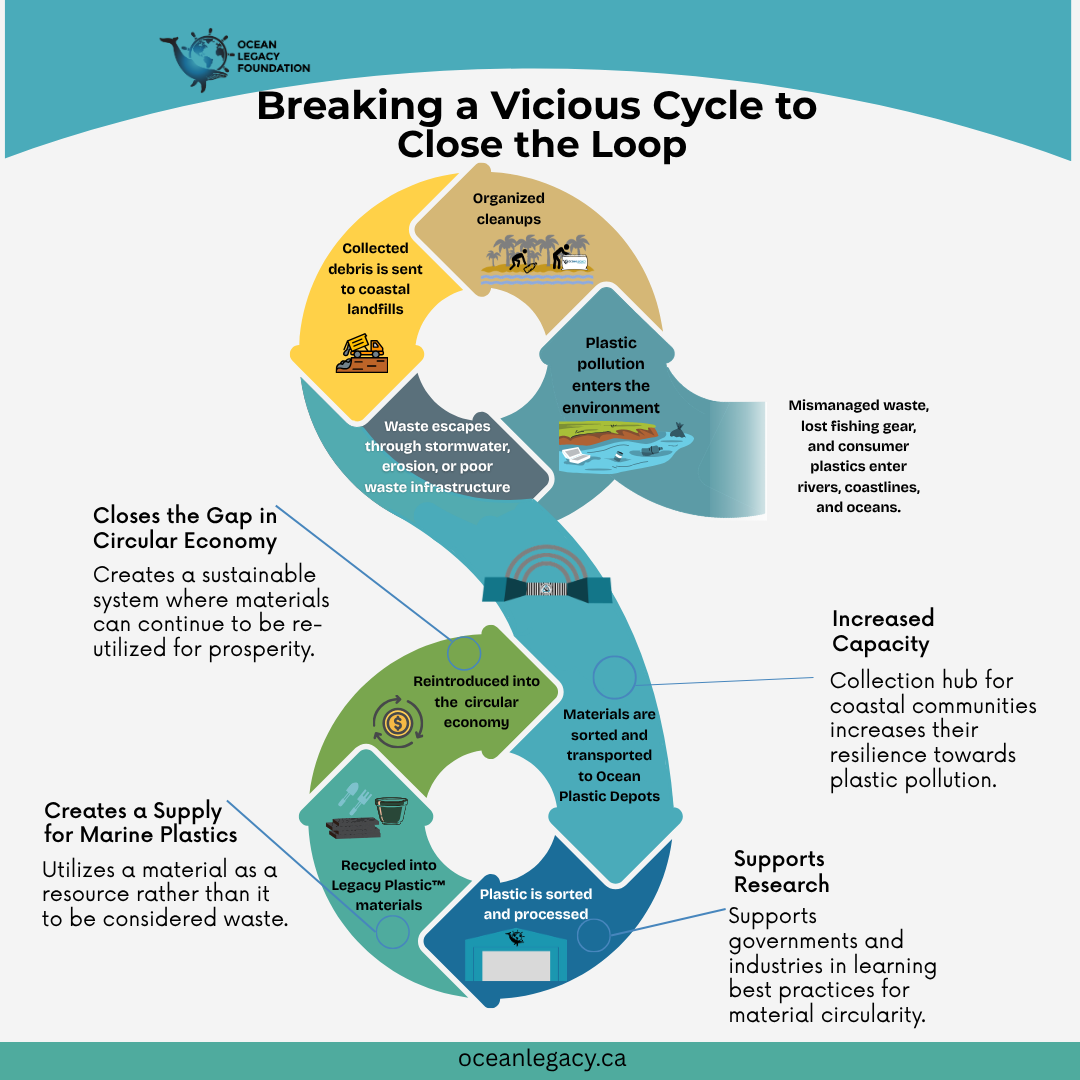
Canada’s transition to a circular economy depends on investing in infrastructure that can manage difficult-to-recycle plastics while also building out scalable reusable systems and implementing preventative policy. Collection systems, processing facilities, material testing, and end markets all play a role in determining whether recovered materials can successfully return to productive use and at scale. Collaboration between governments, industry, communities, researchers, and environmental organizations is essential to developing systems that work across the entire material lifecycle. Ocean Legacy has developed an integrated model that recovers marine plastic pollution and transforms it into high-value recycled materials. Through cleanup programs, collection infrastructure, and advanced recycling technologies, materials once destined for landfill or the environment are recirculated into new products. This approach recognizes that plastic pollution is not only a mismanaged waste problem. It is also a resource-management liability and challenge. Recovering materials from shorelines, waterways, ports, and coastal communities creates an opportunity to bring valuable resources back into the economy while reducing the environmental impacts associated with plastic waste.
Creating value from recovered materials
Circularity is ultimately about keeping resources in use for as long as possible, and addressing its end-of-life to avoid it becoming a pollutant. Recycled marine plastics can become inputs for new products, creating demand for recovered materials and demonstrating that environmental recovery can be connected to economic activity.
By incorporating recycled materials into products and procurement decisions, businesses can help strengthen markets for recovered plastics and support the infrastructure needed to process them.
Canada has an opportunity to build a circular economy where materials are recovered, resources are valued, and waste is prevented from becoming pollution in the first place. Turning marine plastic pollution into a resource is one part of that transition, as well as building the infrastructure, partnerships, and markets to make circularity possible. This is what can help move solutions from individual projects toward lasting systems change.
Visit oceanlegacy.ca and legacyplastic.ca to learn how Ocean Legacy is transforming plastic pollution.
