Innovating Canada

Minister of Transport Steven MacKinnon on how infrastructure, faster approvals and digital trade can give Canadian businesses an edge
Canada’s prosperity has always depended on our ability to move goods to the world. Today, that ability is being tested.
Global supply chains are shifting. Competition is intensifying. Long-standing trading relationships can no longer be taken for granted. In this new environment, reliability isn’t simply a transportation issue. It’s an economic advantage.
Here is the challenge facing Canada: How do we build a supply chain that gives Canadian businesses an edge in this global economy?
We do it by innovating, and building the supply chain of the future.
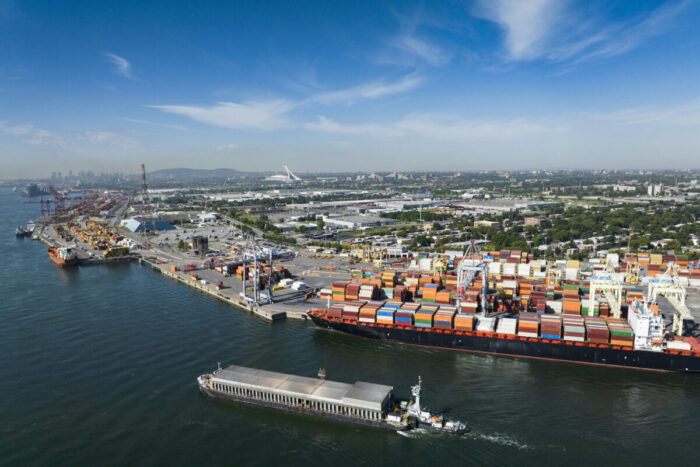
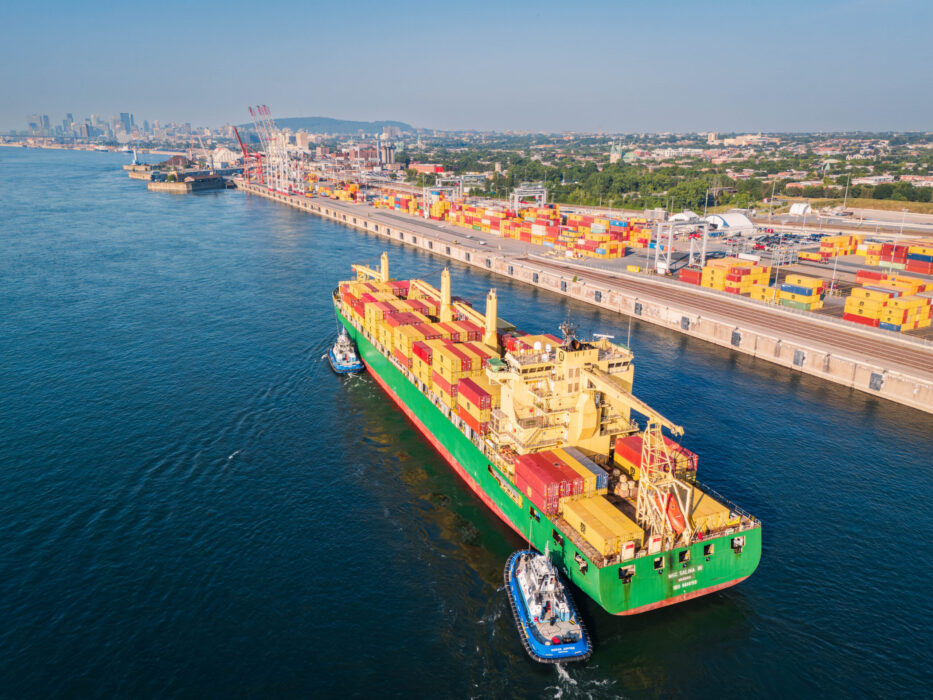
First, we invest in the infrastructure needed to get Canadian goods to new markets, faster and more reliably. That means better ports, railways, roads, airports, and trade corridors. Already, we are expanding key gateways such as Contrecoeur in Quebec, and Roberts Bank Terminal 2 in British Columbia. Dozens of other projects will be supported through the $5 billion Trade Diversification Corridors Fund, and the $1 billion Arctic Infrastructure Fund, with additional investment coming from the Canada Strong Fund. And all this builds on more than $4 billion already committed through the National Trade Corridors Fund.
Next, we must modernize the way government works to keep pace with the economy we are trying to build. Our “one project, one review” approach will streamline processes, advance assessments in parallel, and provide clearer timelines. The Major Projects Office, alongside the Transportation Projects Office, which will focus specifically on transportation, provides clear entry points for nation-building projects, helping reduce duplication, cut red tape, and attract new investment. Whether it’s the proposed LNG Phase 2 export terminal in Kitmat, a quartet of small modular nuclear reactors in Darlington, or exploring copper and zinc mining opportunities in Saskatchewan, we are creating the conditions for a range of bold ideas to move more quickly from concept to construction, and from innovation to impact.
Finally, we digitize. Too many Canadian exporters still rely on paper-based systems that slow the movement of goods and increase costs. By digitizing trade, we can move faster, give businesses greater certainty, and unlock up to $100 billion in economic potential.
Canada enters this moment with enormous advantages: political stability, an educated workforce, vast natural resources, and a growing technology and AI ecosystem. As we seek to meet the prime minister’s commitment and double our non-U.S. exports within a decade, we will continue to explore new markets, particularly in Europe and Asia. That means governments, industry, and Indigenous partners must work together to turn our advantages into opportunity. This will mean thinking differently about how we build, regulate, invest, and work together.
Because the supply chain of the future won’t simply connect one province to another, or Canada’s economy to the world. It will define our future.