 Innovating Canada
Environment
-

Canada’s Circular Silver Lining
As Canada’s economy changes, circular solutions can help strengthen local value, build resilience, and create a more sustainable future. Today’s economic disruption and uncertainty have brought an unexpected silver lining: they have prompted Canadians to respond in positive and surprising ways. The alarm bells have woken us to the need to champion homegrown innovation and have...
-

Building for the Future: Why Canada Needs Circular Construction
Canada’s building boom is a rare chance to change how we build. Circular construction can make sure those investments hold their value. Canada is in the midst of a defining conversation about how we build. Governments are accelerating investment in housing, transit, public infrastructure, energy systems, and industrial projects while facing housing affordability challenges, population...
-
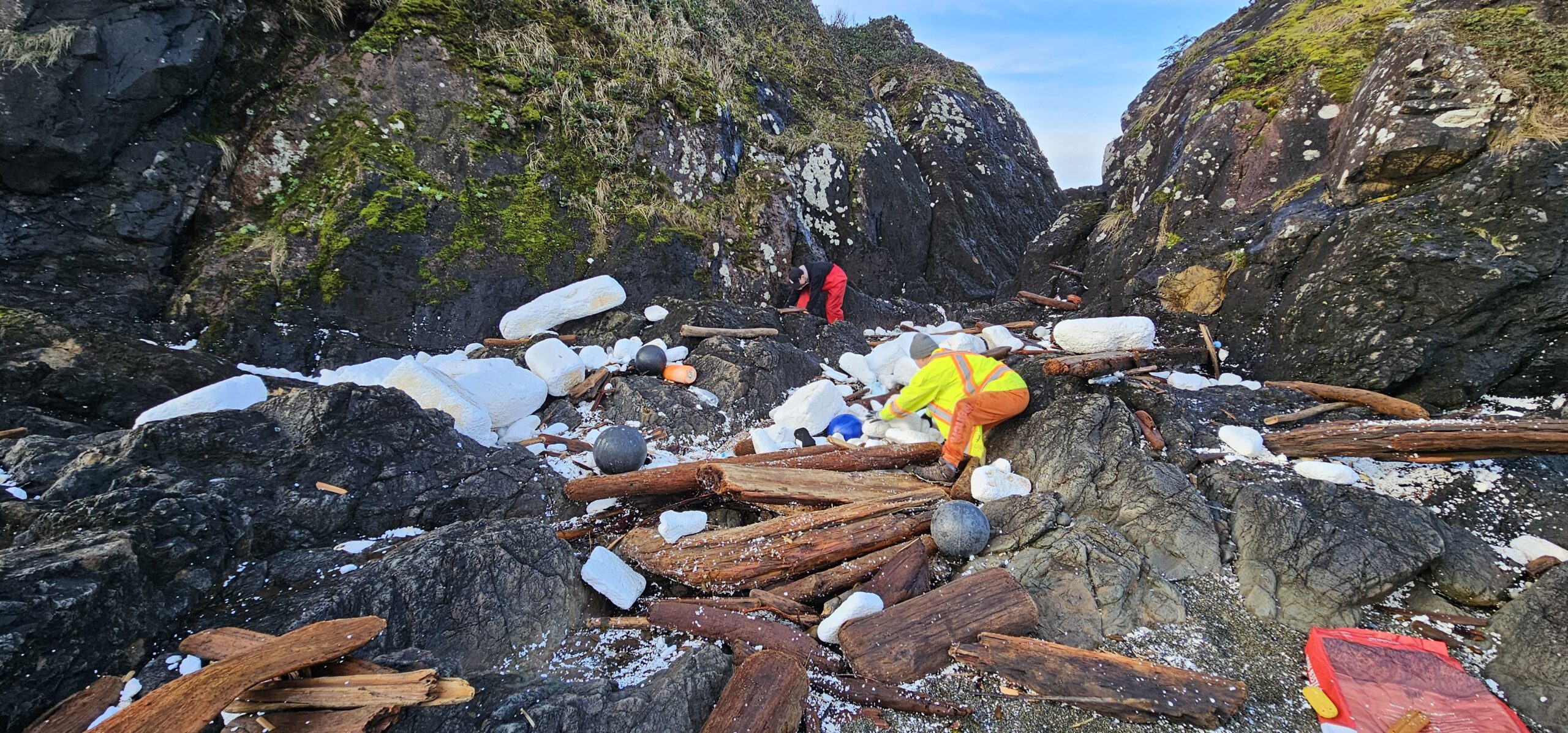
Turning Marine Debris Into Valuable Resources
Canada can lead the circular economy by transforming plastic pollution into new materials, jobs, and resilient infrastructure. Plastic pollution is one of the greatest challenges our world is facing today. We are witnessing the largest solid-form oil spill of our generation, watching plastics flood our land, oceans, shores. Different types of plastics continue to escape...
-
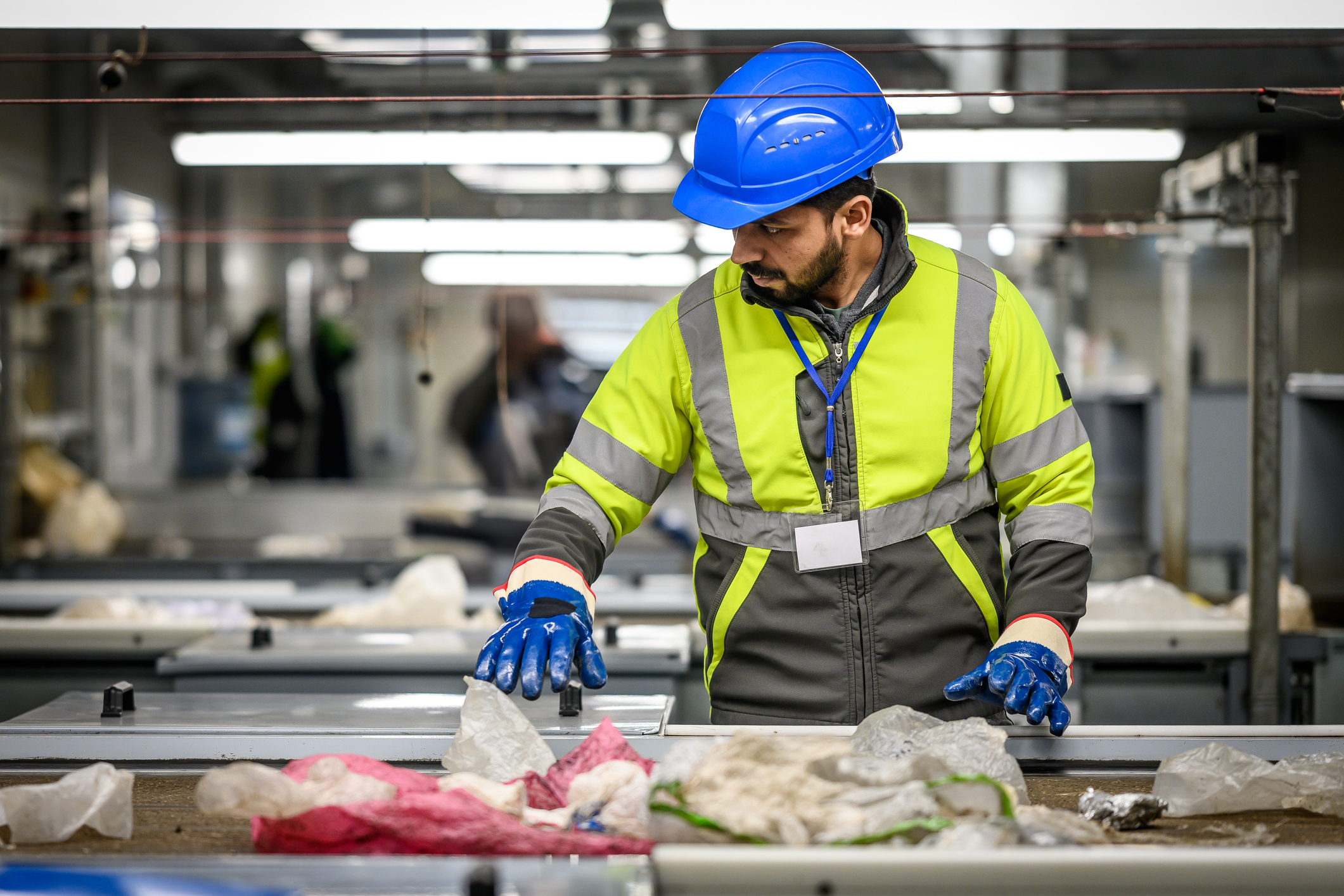
Circularity: Turning Waste into Value Is Harder Than It Looks
Circularity has become one of the defining concepts of the clean economy. The idea is both compelling and intuitive: instead of throwing valuable materials away, we recover them, transform them, and put them back into productive use. Waste becomes feedstock. Environmental liabilities become economic assets. It is an inspiring vision—but one that is far more...
-
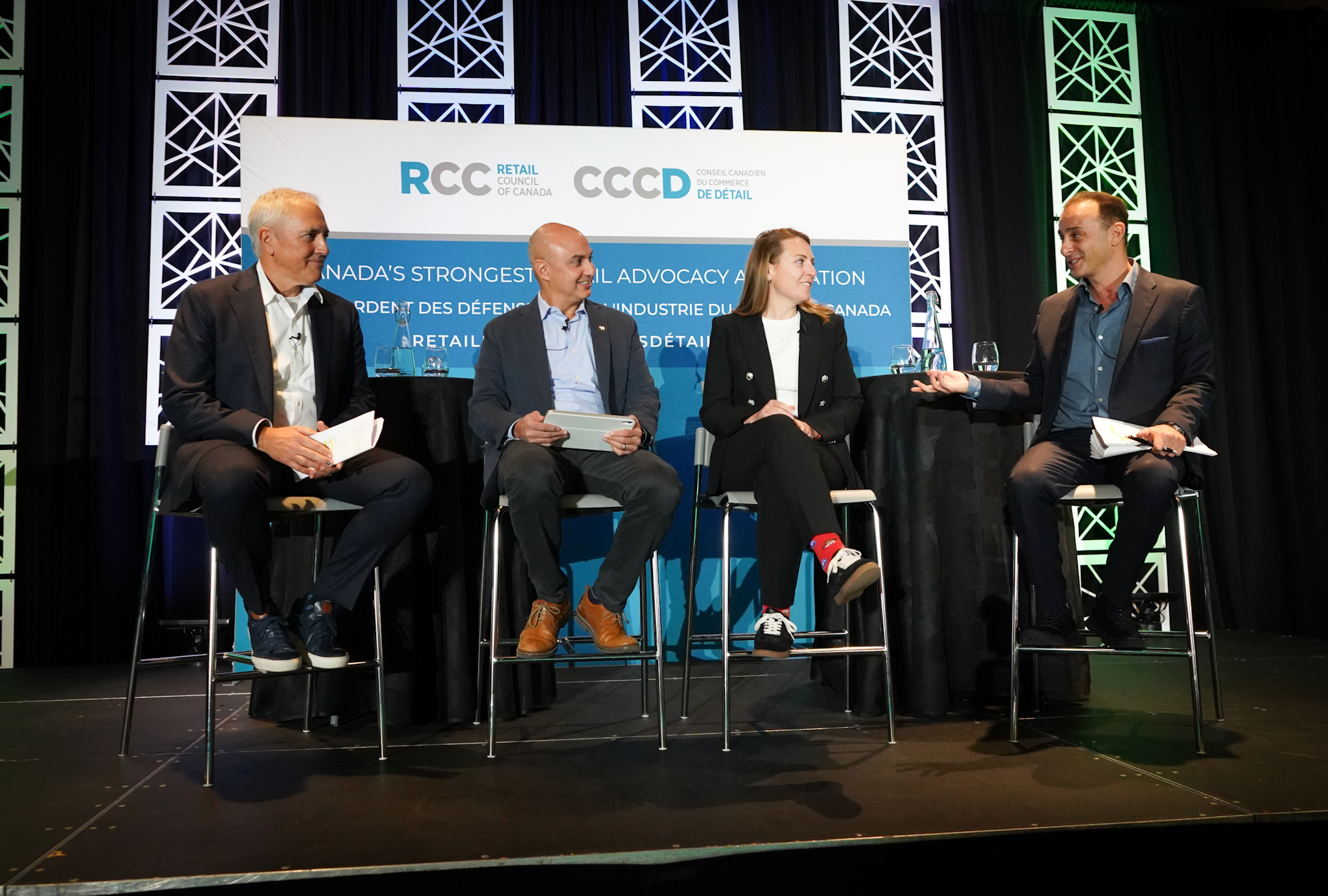
Retail Sustainability Conference 2026: Recognizing Leadership, Accelerating Action
Retail Council of Canada’s Retail Sustainability Conference returns October 27-28 at the Metro Toronto Convention Centre. Retailers, manufacturers, suppliers, technology providers, and governments from Canada and North America will gather to tackle the priorities shaping sustainable retail. For retailers, CPG companies, and the packaging sector, these issues are increasingly interconnected. As EPR programs mature and...
-

s Sponsored
Engineering Elite Air: Inside BMO Field’s LEED Gold Upgrade
BMO Field uses energy recovery ventilation to maintain indoor air quality and lower energy use. BMO Field stands as a premier open-air soccer venue, but behind the pitch, maintaining healthy indoor air quality (IAQ) inside enclosed spaces required a targeted engineering strategy. Enclosed hospitality areas, like luxury suites, can experience high crowd densities during matches,...
-

s Sponsored
The Circular Economy’s Hidden Workforce Advantage
Canada’s bio-economy is expanding beyond traditional industries, creating new opportunities and demand for skilled talent. When people think about the bio-economy, they often think about healthcare, biotechnology, or research laboratories. In reality, the bio-economy reaches much further. Across Canada, businesses are transforming food waste, agricultural residues, wood fibre, and other biological resources into new products,...
-

s Sponsored
How the Rise of the Circular Economy Is Making Sustainability More Accessible
Increasingly, Canadian companies are buying into the idea of a circular business to avoid waste and preserve the value of products and materials. IKEA Canada is doubling down on this concept with ambitious actions. How does it work? Instead of the traditional linear economy, where goods are produced, sold, used and thrown away, the circular...
-
s Sponsored
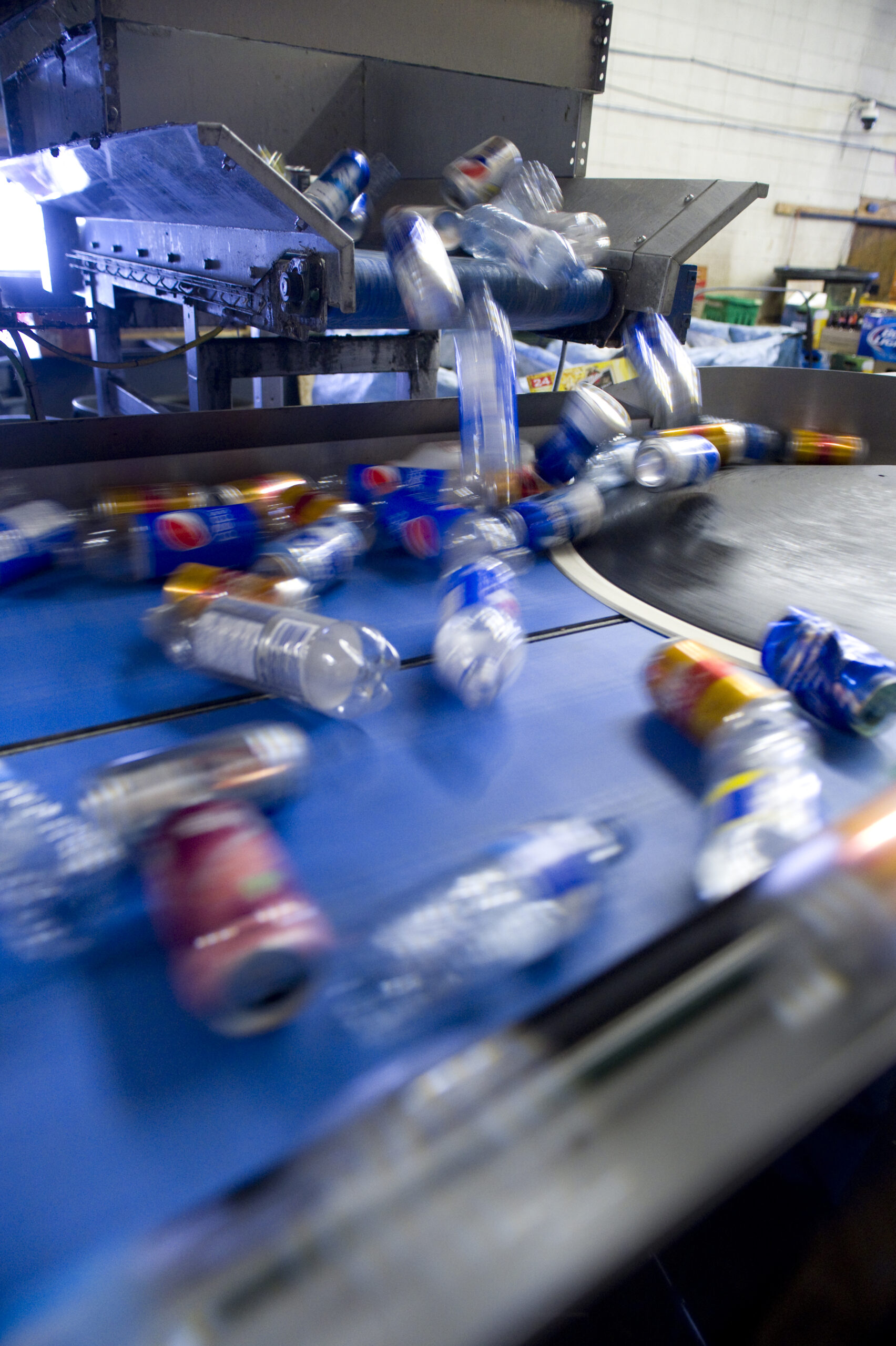
How Alberta Is Putting the “Economy” in “Circular Economy”
Alberta’s beverage recycling system shows how thoughtful design and regulation can turn environmental goals into economic value. In Alberta, when you buy a beverage, you pay either a 10- or 25-cent deposit, depending on the volume of the container. Once the beverage has been consumed, Albertans can return the empty container to a bottle depot...
-
s Sponsored
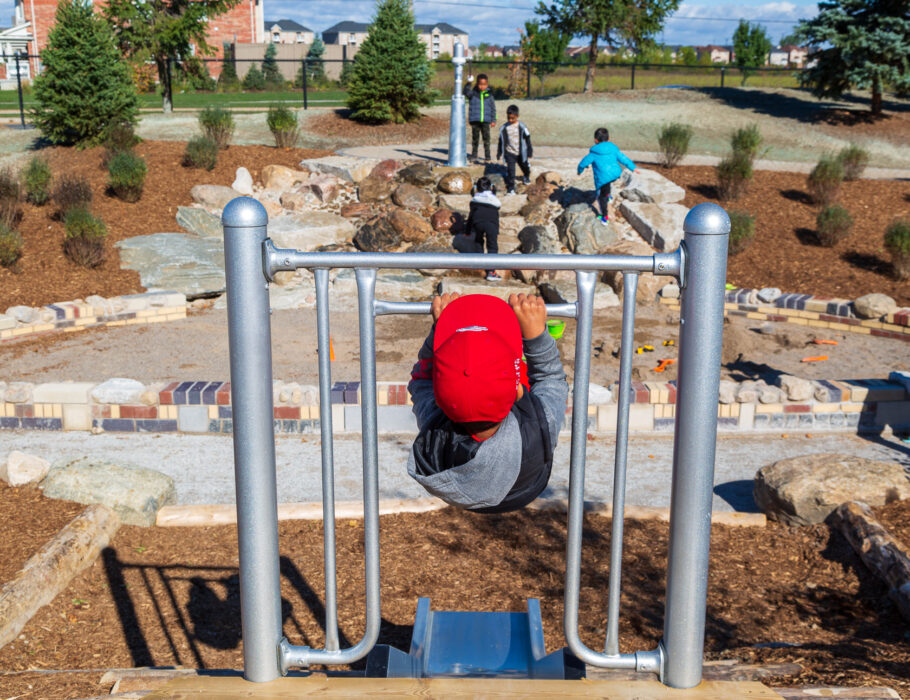
Canada’s School Grounds Are a Climate Solution
Canada’s school grounds touch every community in the country. Here’s why transforming them may be our most overlooked climate opportunity. There are over 16,000 of them in communities all across Canada. They are the most significant daily connection that kids have with nature. And yet many school grounds are little more than asphalt and brown...
