

Laurie Swami
President & CEO, Nuclear Waste Management Organization
Canada is moving forward with long-term, community-driven plans to safely manage nuclear waste as the country expands its clean energy ambitions.
This fall, the federal and Ontario governments committed $3 billion in investment in small modular reactors (SMRs), which Prime Minister Mark Carney described as “generational” and extending “Canada’s world leadership in clean energy.” The project is part of Canada’s nation-building strategy, a “generational investment that will build lasting security, prosperity, and opportunities.”
That commitment to nuclear power also involves a generational responsibility to safely contain and isolate used nuclear fuel — the by-product of current and future nuclear power generation.
That work has been the responsibility of the Nuclear Waste Management Organization (NWMO) for more than 20 years. The NWMO started by considering the long-term storage of used nuclear fuel from Canada’s existing nuclear power facilities. As new nuclear technologies are built, the NWMO is also planning ahead, guided by the vision to lead the way in nuclear waste solutions that create a safe and clean future.
Two decades of progress
Over the past 20 years, the NWMO has made significant progress.
Through three years of study and dialogue with Canadians and Indigenous Peoples, the NWMO developed Canada’s plan, which recommended isolating used nuclear fuel in a deep geological repository made up of a network of tunnels and placement rooms hundreds of metres underground in a stable rock formation, designed to safely store radioactive waste for tens of thousands of years.
Remaining ready for Canada’s nuclear expansion is a strategic priority for the NWMO and moving both repository projects forward allows that to happen.
Next, the NWMO led a process to find a site for this deep geological repository, a process that took more than a decade. Through engagement with Canadians and Indigenous Peoples — the foundation of many of the NWMO’s activities — 22 communities proactively expressed interest in learning about the project and exploring their potential to host it.
In November 2024, the NWMO reached its most significant milestone to date. After extensive technical study and community engagement, the northwestern Ontario communities of Wabigoon Lake Ojibway Nation and the Township of Ignace agreed to support advancing the project.

A milestone decision for Canada’s first repository
Today, the NWMO is responsible for leading two deep geological repository projects for Canada to safely manage nuclear waste over the very long term.
The repository project in northwestern Ontario is entering a new phase — the multi-year regulatory decision-making process. This process will provide the federal government with the information and studies it needs to independently confirm the safety of the repository. This process will create new opportunities for the public to continue to have their voices heard.
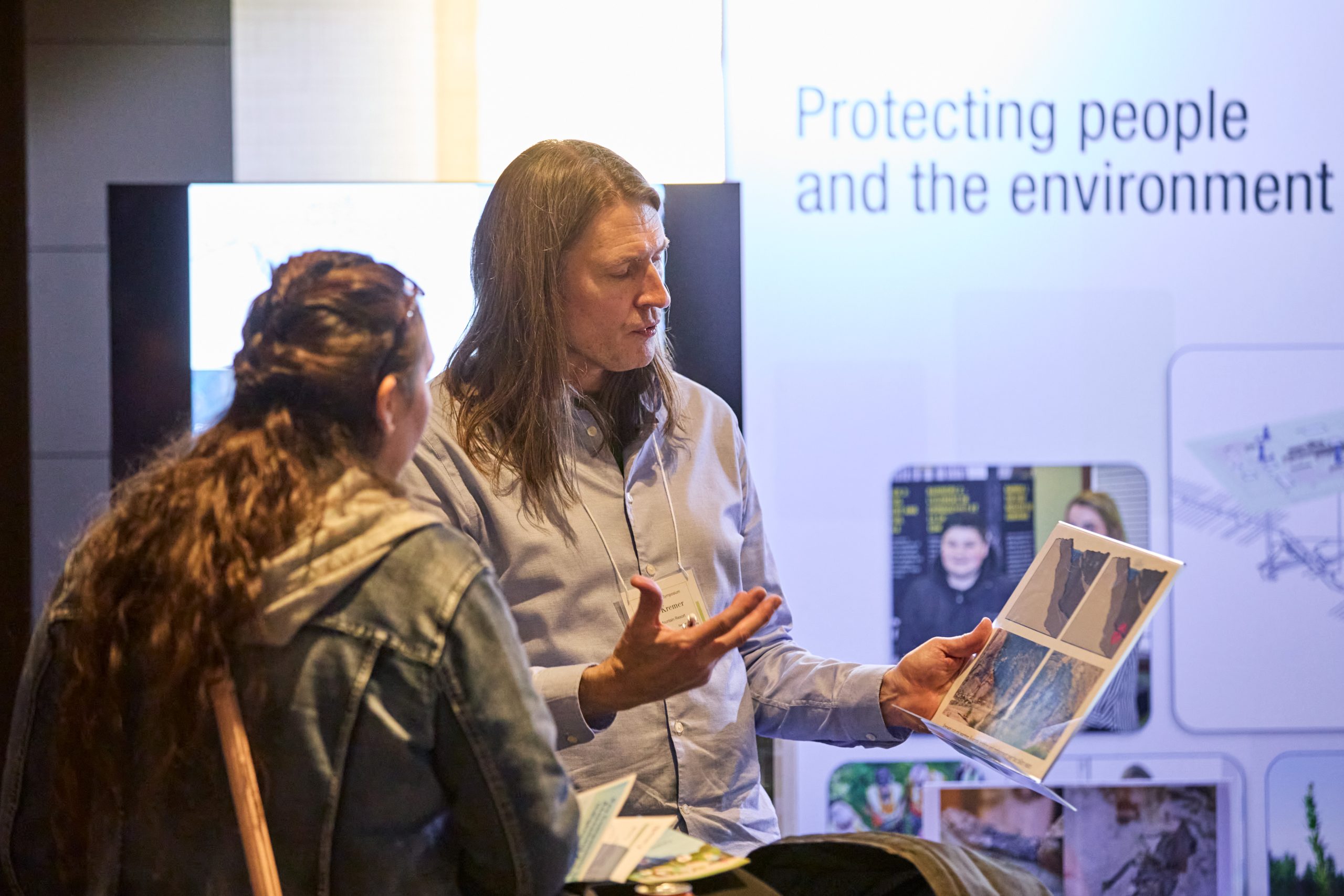
In addition, the NWMO is planning a second repository to manage intermediate- and non-fuel high-level waste — made up of things like reactor components, filters, and by-products from medical isotope production — as well as used fuel from new nuclear reactors like SMRs. The NWMO took on the mandate for the safe, long-term management of these waste types in 2023, following the federal government’s acceptance of the recommendations in Canada’s Integrated Strategy for Radioactive Waste.
In 2025, the NWMO began a two-year process of inviting feedback from Canadians and Indigenous Peoples to help refine the site selection process for this project.
Preparing for the next generation of nuclear technologies
The NWMO also continues to collaborate, sharing its experiences with and learning from its global peers. There’s international scientific consensus that a deep geological repository is the safest option to isolate used nuclear fuel. Canada is among a leading group of nations to pursue this approach. Finland’s deep geological repository is scheduled to open this decade, Sweden is in the process of building, and Switzerland and France have identified sites and are at various stages in their regulatory processes.
Remaining ready for Canada’s nuclear expansion is a strategic priority for the NWMO and moving both repository projects forward allows that to happen. As the plans for the first and second repositories continue, collaboration remains a cornerstone of the NWMO’s work, ensuring that the voices of Canadians and Indigenous Peoples will be heard.
For more information about the NWMO, visit nwmo.ca.
