

Nick Ford
Director of Communications & Strategy,
Beverage Container Management Board
Alberta’s beverage recycling system shows how thoughtful design and regulation can turn environmental goals into economic value.
In Alberta, when you buy a beverage, you pay either a 10- or 25-cent deposit, depending on the volume of the container. Once the beverage has been consumed, Albertans can return the empty container to a bottle depot and receive their deposit back.
Like other deposit return systems (DRSs), Alberta’s system was created to reduce litter and protect the province’s natural beauty. The concept was simple: give Albertans an incentive to return empty containers instead of littering or landfilling them.
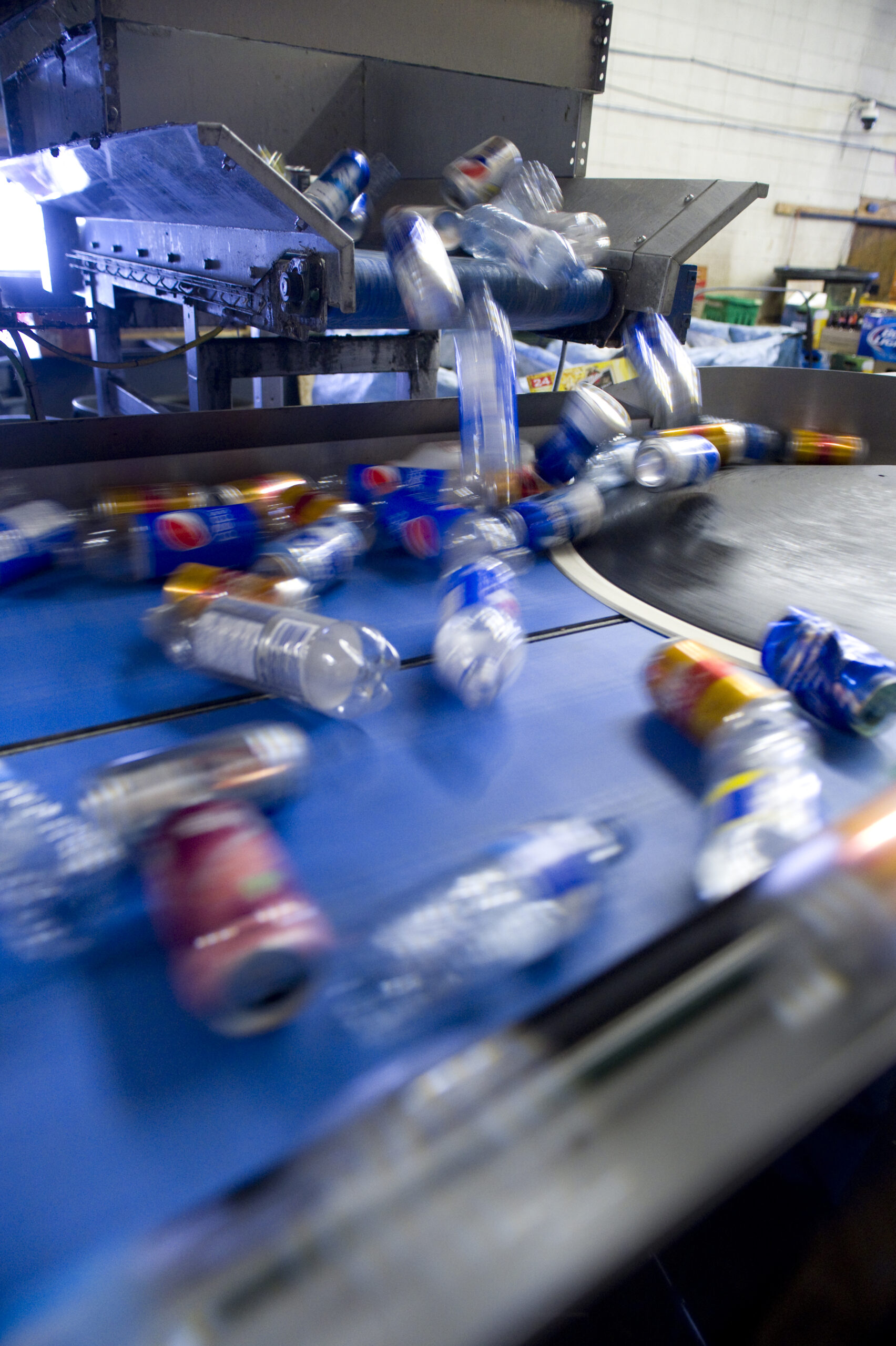
In 2025, Albertans returned 2.2 billion beverage containers, achieving an 82.5 per cent collection rate. Nearly 120,000 metric tonnes of material were diverted from Alberta landfills and shipped to recyclers around the world — more than the combined weight of Canada’s wild and farmed bison populations.
These numbers tell an environmental story, but also an economic one.
A circular economy in motion
Last year, 2.7 billion beverage containers were sold in Alberta. The province’s beverage recycling system supported nearly 3,200 jobs, returned more than $220 million in deposits, and generated almost $75 million through the sale of recovered materials.
That’s a remarkable amount of economic activity hiding behind an empty beer can, drink pouch, or milk jug. It shows why the word “economy” in “circular economy” matters.
Circularity is important, but it doesn’t automatically create economic value. Markets, incentives, and system design matter, too.
This is where regulation comes in.
Strong regulation shapes the incentives, responsibilities, and rules that allow a system to function, adapt, and create value.
For Alberta’s DRS, that’s the role the Beverage Container Management Board plays. We help create the ecosystem for Albertans to return containers, for charities and community organizations to raise funds, for businesses to participate, and for recovered materials to re-enter the economy.
Finding balance
For circularity to work, materials, money, and incentives must keep flowing. People and businesses need reasons to participate beyond altruism. That’s what transforms environmental ambition into a system that can grow and deliver value.
Alberta’s approach is to give all beverage types a place in the system, creating room for innovation. Some materials, such as aluminum, have established markets. Others may require new technologies, approaches, or market development. Regulation must be able to adapt as opportunities and economies change.
A successful circular system is not one that pursues circularity at any cost. It balances environmental outcomes, economic realities, and the needs of the people it serves. Achieving that balance requires effective regulation, meaningful participation, and sustainable markets. That’s why Circular Economy Month should be about more than circularity alone. The conversation should be as broad as the term itself: circular economy.
To learn more visit bcmb.ab.ca.
