Discover why nutrient-rich Ontario beans are becoming a go-to choice for health-conscious consumers seeking sustainable, affordable and versatile plant-based protein.
According to Health Canada’s Dietary Guidelines, consumers should regularly eat foods rich in protein and are encouraged to “consume plant proteins [such as dry beans] more often than other sources of protein.” Consumers are following this advice. In recent years, one of the biggest dietary shifts has been the rise of the flexitarian—someone who prioritizes plant-based foods while still enjoying meat occasionally.
Part of the legume family, beans offer an accessible way to add healthy plant protein to everyday meals. It’s no surprise, then, that many consumers are incorporating more beans into their diets, especially considering that Canada produces over 300,000 metric tonnes of dry beans every year.
Jamie Payton is the chair of the Ontario Bean Growers, a not-for-profit organization that represents farmers in Ontario that grow dry edible beans.
“Beans are naturally rich in plant-based protein, fibre, iron, folate and complex carbohydrates. Eating just half cup of beans daily can support heart and digestive health, help control blood sugar and keep you feeling full longer. They are packed with vitamins and minerals like iron, magnesium, potassium and folate, while being low in fat and containing no cholesterol,” Payton said.
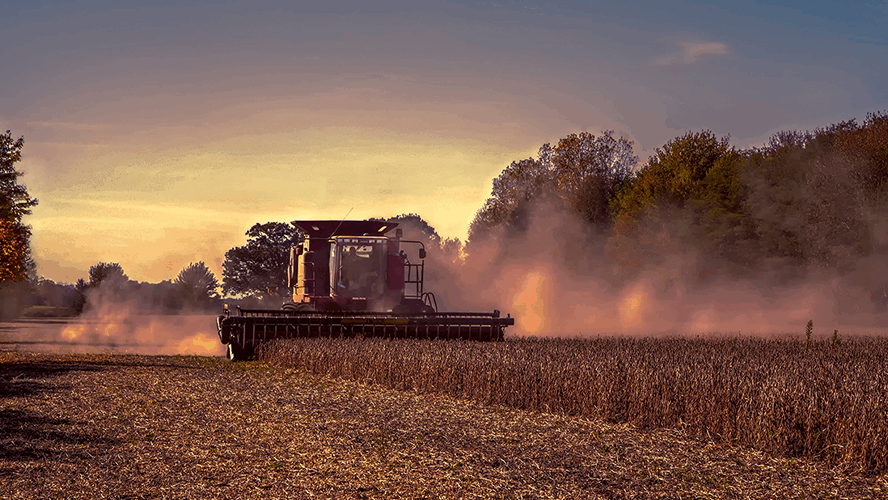
Ontario is one of Canada’s leading regions for dry bean production, growing nine types in total. With local supply far exceeding domestic demand, approximately 80 to 90 per cent of its beans are exported worldwide. Varieties include white (navy, great northern), kidney (light red, dark red, white), black, pinto, cranberry (romano) and adzuki beans. Their versatility and convenience make them an easy addition to any kitchen.
A Bean for Every Meal
Beans can easily be substituted in many recipes. They can affordably boost the nutritional value of favourite family dishes or can become the ultimate main course.
Canned beans offer simple, speedy solutions: add them to soups, toss them into salads or mash and season them for a British-style toast topper. Dried beans can be transformed into hearty, classic comfort meals, such as baked beans made rich with maple syrup and espresso. And unlike other foods, canned beans retain their nutrients when packaged.
Supporting Local Farmers, One Meal at a Time
Eating local is no longer the novelty it was when the idea was first introduced in 2007 with the iconic book, The 100-Mile Diet: A Year of Local Eating. Today, most consumers recognize the benefits of buying and eating.
“Choosing local supports Ontario farmers, rural communities and the local economy, while also reducing the distance food travels from farm to plate,” said Payton. “Local food is often fresher, more traceable and increases food security.”
In an era marked by global disruptions, supporting local farmers also strengthens the reliability and resilience of our food supply chain.
Good for You, Good for the Planet
Sustainability has also become a priority for many consumers, and Ontario’s bean farmers have adopted advanced, environmentally responsible farming practices. These include crop rotation, precision planting, soil conservation and responsible crop protection methods that safeguard soil and water while producing high-quality food.
“With two dry bean breeding programs in Ontario, we are always researching ways to improve our beans’ yield, disease resistance and nutritional quality, ensuring that sustainability and innovation go hand in hand,” confirmed Payton.
Visit ontariobeans.on.ca for recipes, cooking tips and nutritional information to help you easily incorporate flavourful, affordable beans into a healthy diet.
