
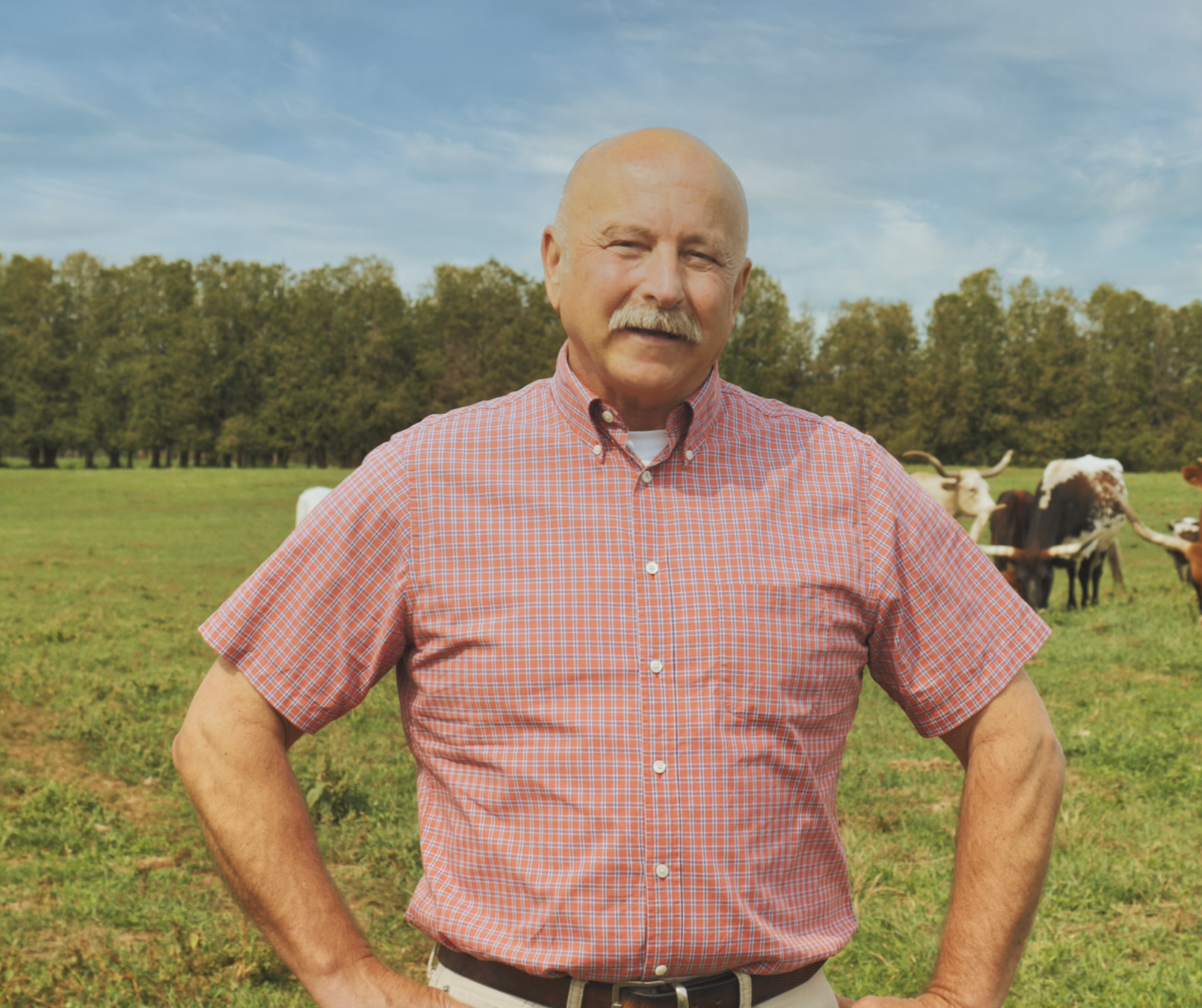
Bryan Gilvesy
Rancher & Chief Strategy Officer, ALUS
Farmers are advancing a proven model of environmental stewardship — one few Canadians realize could reshape resilience across the country.
Across the country farmers are taking the lead, quietly strengthening Canada’s natural defences against a changing climate.
Long before climate volatility entered the national conversation, farmers understood how water moves, how soils respond and how landscapes shift — and they’ve been applying that knowledge to protect the land we depend on. Today, their role as environmental problem-solvers is becoming more widely recognized, as communities and policymakers increasingly look to farmer-led projects that restore nature and build resilience from the ground up.
For nearly two decades, ALUS has advanced this leadership through a community-led, farmer-delivered model of environmental stewardship. The national charitable organization supports the creation and enhancement of nature on marginal or uneconomic farmland, reframing conservation as natural infrastructure — living systems that help manage flooding, improve water quality, support biodiversity and strengthen climate resilience.
“When farmers build natural infrastructure, entire communities become more resilient.”
— Bryan Gilvesy

Small changes, big impact
Bryan Gilvesy, a rancher and ALUS’ Chief Strategy Officer, has been instrumental in helping expand the organization nationwide.
“Farmers are not just food producers; they are environmental solution providers.”
— Bryan Gilvesy
Gilvesy notes that nature-based solutions are often among the most practical and cost-effective tools communities have for addressing a changing climate, biodiversity loss and water security. Many of these projects begin with simple but strategic changes to the landscape. Planting trees and shrubs along riverbanks can stabilize soils, protect fish habitat and prevent topsoil and runoff from entering waterways. Restoring wetlands helps create natural catchments that slow and store water, reducing both flooding and drought risk. These projects are grounded in local knowledge and designed to benefit the broader community.
“Nature-based solutions are among the most practical and cost-effective tools we have to build climate resilience.”
— Bryan Gilvesy
Farmers’ growing role in climate resilience
Today, ALUS supports more than 2,100 farmers and ranchers across 41 communities, who together steward over 57,000 acres of nature-based projects — an area equal to more than 40,000 football fields. These projects are managed, maintained and adapted over time, delivering environmental benefits that can be measured on the ground and felt across surrounding regions.
“Fifty-seven thousand acres is more than 40,000 football fields — each acre now working as natural infrastructure.”
The results illustrate a shift in how Canadians understand working lands and the people that manage them. Rather than viewing marginal farmland as unproductive, ALUS encourages communities to see these areas as opportunities — places where small investments can yield long-lasting environmental returns. The model also strengthens rural economies by supporting farmers in managing the land in ways that contribute to climate adaptation and ecological health.
What began as a local program in Manitoba has grown into a national movement, demonstrating that when farmers have the tools and support to create natural infrastructure, entire communities stand to benefit. And as climate pressures continue to grow, their role in building a more resilient Canada is becoming impossible to ignore.
To learn more about ALUS visit Alus.ca.
