 Innovating Canada
CAMPAIGN: Our Path to Net Zero (2022)
-

s Sponsored
It’s Manure’s Moment: Fuelling Trucks with Farm Waste
Ontario’s first carbon-negative waste truck The newest addition to Bluewater Recycling Association’s (BRA) fleet is turning heads on collection routes in rural communities of Southwestern Ontario. The carbon-negative truck, developed in partnership with the Ontario Waste Management Association (OWMA) and Enbridge Gas, runs on renewable natural gas (RNG) largely made from cow manure produced at...
-

s Sponsored
How Humber Graduates Are Engineering a Sustainable Future
New Bachelor of Engineering — the Built Environment degree prepares graduates to tackle climate change through net-zero solutions.
-

s Sponsored
Can Canada Lead the Bioeconomy?
The market opportunity Three intertwined strategies have unlocked every prior environmental challenge — pollution reduction technologies, non-polluting alternatives, and cleanup. Climate change is driven by a century of accumulated greenhouse gas pollution. “Electrify everything” enthusiasm often overlooks that bio-based decarbonization cleans up past pollution. Biomass absorbs carbon dioxide as it grows, sequestering some in the...
-

s Sponsored
Investing in Plant-Based Foods for Health, Wealth, and Sustainability
In the responsible transition to a greener Canadian economy, the agri-foods sector is ripe with opportunity. The potential to significantly lower the climate impact of our agri-food production is being realized through collaborative Canadian innovation, and increased investment in plant-based protein specifically can be a powerful driver of climate resiliency and economic growth.
-

s Sponsored
With Award-Winning Sustainable Practices, This School is Just Getting Started
Dawson College has prioritized sustainability for years and aims to create new partnerships to build a better future.
-

s Sponsored
Building Retrofits — Critical Path to Reaching Net-Zero Emissions
The building sector accounts for nearly one-third of greenhouse gas emissions. Retrofits can reduce carbon emissions substantially while creating economic benefits.
-

Q&A with the Honourable Marie-Claude Bibeau, Minister of Agriculture and Agri-Food
Why is Canada uniquely positioned to seize opportunities and grow its emerging bioeconomy? Backed by its strong natural resources management, applied innovation, sustainable crop production, diverse biomass sources, and efficient processing, Canada has the knowledge and expertise to meet the high-quality standards of diverse global bioeconomy markets. Using sustainably produced crops, wastes, and residues as...
-
s Sponsored
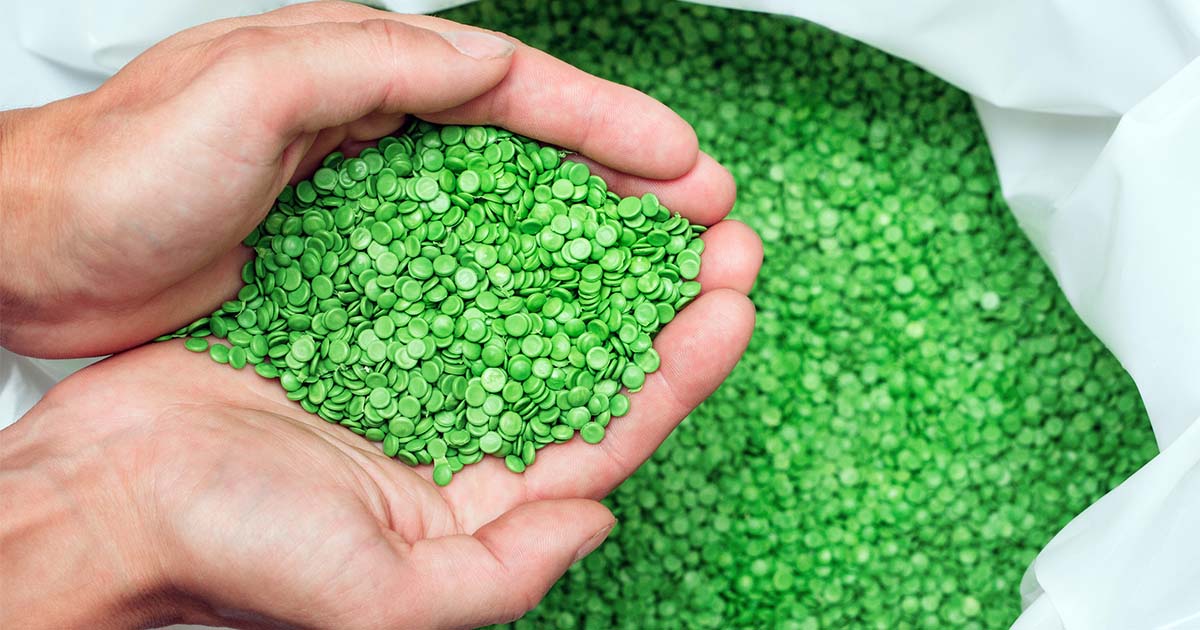
How Canadian Start-Ups Are Drawing on Nature to Help Reach Net Zero
Sue Coueslan, Vice-President, Strategy and Partnerships, Natural Products Canada
