Innovating Canada



Brijpal Patel
Chief Program Officer, Tree Canada

Sophie Cation
Restoration Ecologist, Tree Canada
This national non-profit is committed to stewarding a greener, more diverse Canadian landscape, working with partners to restore Canada’s forests.
It’s hard to envision Canada without a landscape dotted with trees. The image of a Muskoka chair on a dock overlooking a lake and surrounded by evergreens is all but synonymous with the quintessential Canadian summer. As Brijpal Patel, Chief Program Officer at Tree Canada, explains, “You see representation of trees all throughout Canadian popular culture. There’s a lot of storytelling rooted in the Canadian landscape.” While trees play a role in shaping our collective identity, they also contribute to the country’s thriving biodiversity, acting as a first defence against threats like climate change.
Tree Canada has been actively working to restore and grow Canada’s forest canopy since 1992. For decades, the organization has worked to implement greening programs, foster research, and engage partners to build greater understanding and respect for forests. Its goal is simple: growing resilient ecosystems and healthier, greener communities.
In 2025, Tree Canada planted 4.4 million trees across Canada and it’s on track to plant another five million in 2026. “We’re in the business of climate change adaptation,” says Patel. “At our core, we’re about restoration and greening that lead to climate-resilient communities and diverse ecosystems.”
Fostering biodiversity together
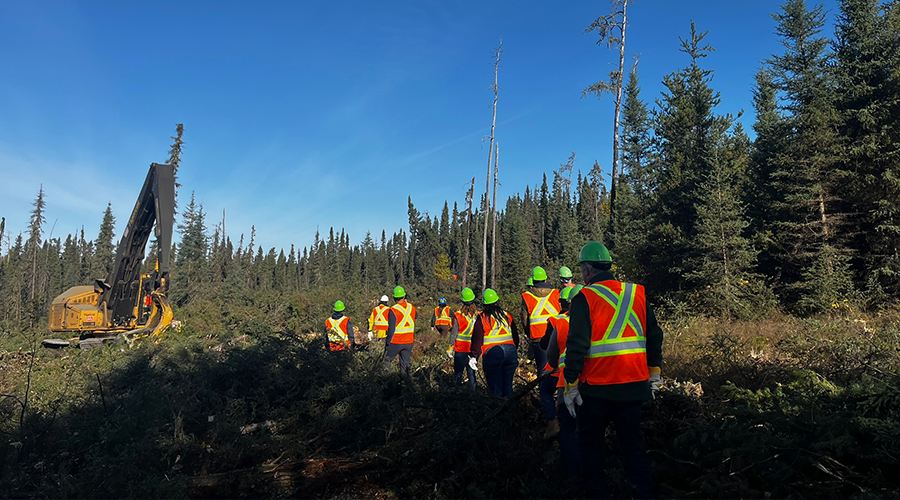
The non-profit works across both urban and rural landscapes, implementing everything from small-scale biodiversity projects like building habitats in cities to larger initiatives alongside conservation authorities and Indigenous communities. Its success hinges on partnerships with governments of all levels, local communities, and private landowners. “We’re always looking for opportunities to partner with Indigenous communities in an intentional way, furthering their vision on how they want to see the land stewarded,” Patel explains. Recently, Tree Canada worked alongside the Pessamit Innu community in northern Quebec on a large-scale reforestation project with an end goal of rebuilding a depleting Caribou herd.
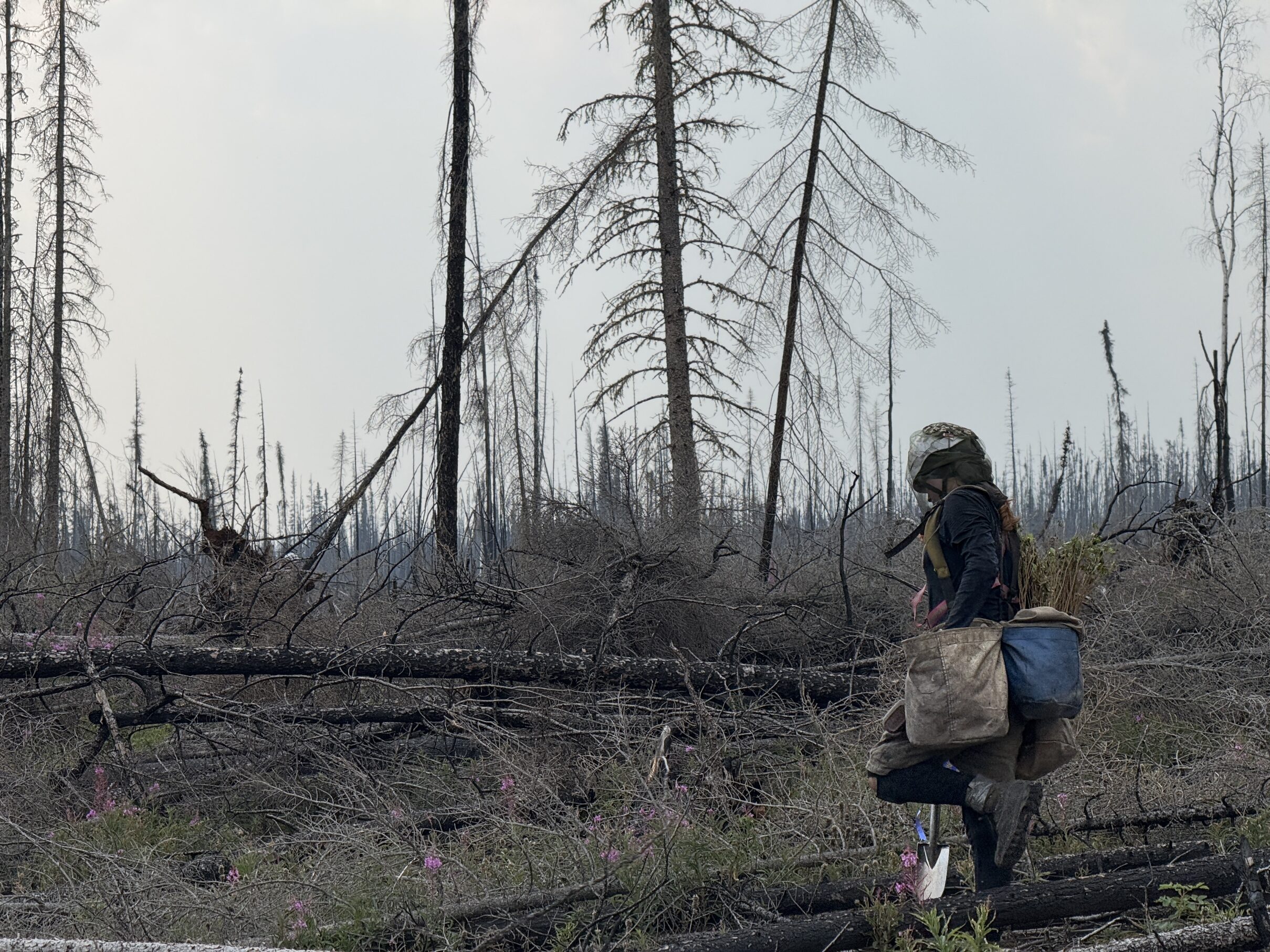
Tree Canada’s National Greening Program shows the broad impact its leadership is having across Canada. A mass seedling program, the initiative works with a variety of land tenures to restore large areas of disturbed ecosystems. “Our restoration efforts focus on areas that don’t already have conservation protections, trying to connect them to areas that do. This takes pressure off species as they move and migrate from one region to another,” explains Sophie Cation, Restoration Ecologist at Tree Canada. “Especially within these planting projects, when we think about fostering biodiversity we’re really talking about building forest ecosystems that allow native fauna to thrive.”
Tree Canada is helping Canadians build on an identity that’s deeply ingrained in our culture. As Cation says, “We know that nature is important to Canadians, but it also deserves to be protected simply because it exists and was thriving long before we were here.”
To learn more about Tree Canada and its initiatives, visit treecanada.ca.