Innovating Canada
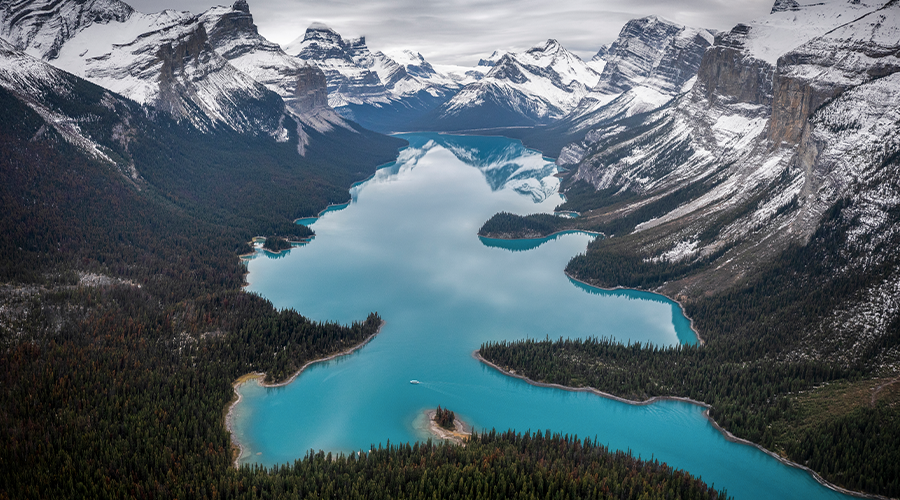
Through his lens, Paul Zizka invites people into fragile wilderness and reflects on how art, restraint, and firsthand experience can inspire stronger environmental stewardship.

How has spending time in remote and fragile environments shaped your view of nature and our responsibility to protect it?
It’s only through spending time in those special places that I’ve gained a true appreciation for their fragility and remoteness. By committing the time and engaging with these environments through the lens, I strengthen that connection and my desire to preserve them, and become a better, more acute observer.
How do you hope your images inspire people to take action toward conservation and protecting the planet?
I believe appreciation is the first step toward preservation. When we experience a place deeply, we develop a desire to protect it so others can feel that same sense of wonder. My hope is that my images invite people into wild, beautiful landscapes and spark the kinds of experiences that lead to care, connection and stewardship.
How do you ensure your photography practice respects these environments, and what lessons can other creatives take from this approach when engaging in nature?
I do my best to leave as little trace as possible, moving through places in a way that preserves both their physical integrity and their sense of wildness for those who follow. Many of the landscapes I work in are fragile and vulnerable to human impact, and when I can’t operate without leaving a lasting mark, I believe it’s important to have the restraint and integrity to stay away. Some places, especially the most sensitive ones, are simply not meant to be photographed.
What advice would you give for fostering a deeper connection with nature, and how can this inspire more sustainable choices in everyday life?
If you want to foster a deeper connection with nature, you have to make time for it—even when that means sacrificing other things. I recommend people consider heightening their experience by engaging in some form of art that encourages them to notice the small things, whether it’s through painting, photography or writing. But simply being in the landscape works, too. It’s that personal experience that ultimately inspires more thoughtful, sustainable choices in everyday life.