Innovating Canada



Jess Kaknevicius
Chief Executive Officer, Forests Canada
Forests Canada is creating a National Working Group on Post-Fire Forest Recovery Practices to improve outcomes for Canada’s forests.
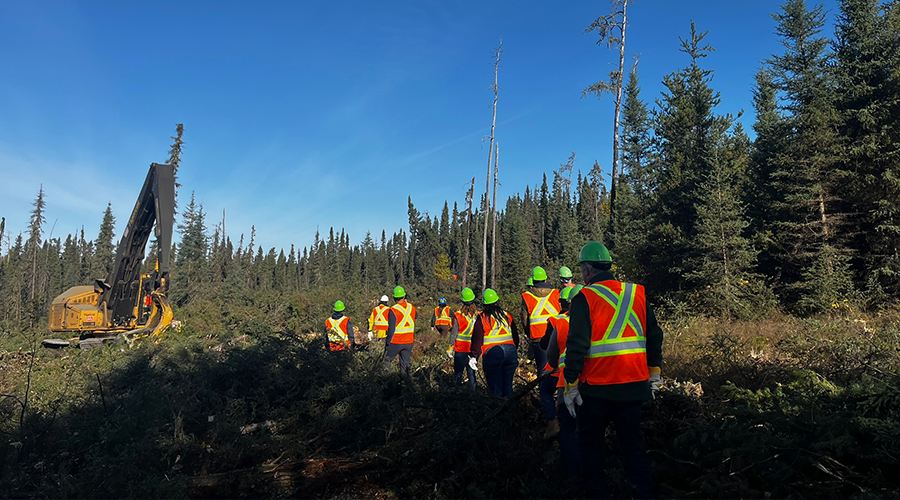
Canada’s forest landscapes are experiencing unprecedented impacts from wildfire, creating urgent and complex challenges for post-fire recovery, regeneration, and long-term forest resilience. To support coordinated national action, knowledge exchange, and the development of best practices for forest resilience, national charity Forests Canada is establishing a National Working Group on Post-Fire Forest Recovery Practices.
Last year, Forests Canada supported the planting of over four million trees across the country, with more than two million being planted to restore forests ravaged by storms, invasive species, and wildfires.
“There is a need for national dialogue to share best practices and new approaches to ensure we are creating the most resilient forests possible,” Jess Kaknevicius, Chief Executive Officer, Forests Canada, says. “There are so many questions this national working group will explore: How are we prioritizing what gets planted after wildfires? Are species selections changing and can the supply chain handle it? What unique training do planters need? How are planting plans evolving to ensure better long-term outcomes?”
In the last three years alone, the demand for Forests Canada’s restoration expertise, science-based data analysis, and investment in forest recovery efforts has increased significantly – and one of the driving factors of that increase has been the devastating impacts of recent wildfires.
“With this new National Working Group, we will be able to gain new insights from a diverse group of participants so that we can all work together to help create lasting and positive outcomes for Canada’s forests,” Val Deziel, restoration ecologist and Director of Restoration Ecology and Research, Forests Canada, says.
To support the health and sustainability of Canada’s forests, including post-fire restoration initiatives, visit www.ForestsCanada.ca.