

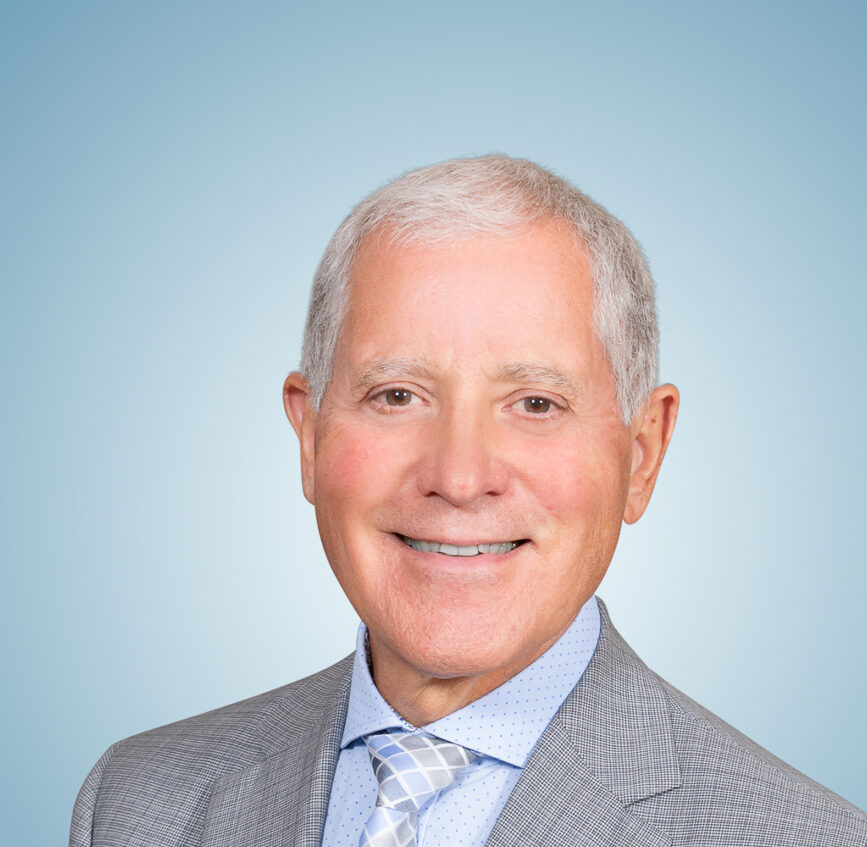
Larry Masotti, MA, BEd, CRSP
Chair of the Board of Governors, Board of Canadian Registered Safety Professionals
As workplace safety becomes more complex, the Board of Canadian Registered Safety Professionals ensures OHS personnel can meet evolving future demands.
Today’s workplace safety landscape is vastly different from two decades ago. “Whereas we used to focus mainly on physical hazards such as cuts and bruises, today’s challenges are much broader and more complex,” says Larry Masotti, Chair of the Board of Governors, Board of Canadian Registered Safety Professionals (BCRSP). At one end of the spectrum are human-centric concerns, such as mental health, inclusion, diversity, accessibility, and workplace violence and harassment. At the other end are emerging technologies, such as robotics, Artificial Intelligence (AI), drones, and 3D printing.
Evolving tech, workforce structures creating new OHS complexities
The persistent change and speed at which it occurs has created new occupational health and safety (OHS) challenges for organizations and employees. “With OHS challenges now involving both human-centric and technological advances, safety professionals are required to assess and mitigate a broader set of risks, hazards, and probabilities,” says Masotti. “One is change-fatigue due to the constant need for adaptation. Another is Artificial Intelligence. While it has tremendous benefits for the workplace and society, it also creates a need for constant adaptation as well as feelings of redundancy and potential worker displacement,” says Masotti.
To meet the demands of the modern workplace, today’s safety professionals continue to be lifelong learners who embrace continuous improvement.
In today’s multi-generational workforce safety must now target their safety messaging to address the differing needs and priorities of each one. The shift to hybrid, remote, and flexible work, while beneficial to many workers, has OHS impacts, such as the tendency towards overwork, worker isolation, repetitive strain, and musculoskeletal issues from non-ergonomic home workspaces.
Meeting modern workplace demands
As the workplace evolves, so are professional safety requirements and certifications. “To meet the demands of the modern workplace, today’s safety professionals continue to be lifelong learners who embrace continuous improvement,” says Masotti. The Board of Canadian Registered Safety Professionals (BCRSP) certification ensures that Canada’s health and safety professionals are equipped to do just that.
For 50 years, the Board of Canadian Registered Safety Professionals (BCRSP) has been the national certification body for occupational health and safety professionals in Canada. BCRSP certifications are nationally recognized and represent a gold standard in professional safety leadership. Aligned with the international ISO17024 standard for the OHS profession in Canada, the BCRSP certifications enable the certified individual to work in any sector. “The BCRSP certifications are also evolving to reflect the evolving nature of work and serve as an exceptional bridge between the boardroom and the plant floor or the field,” says Masotti.
In an era where every employer must meet the requirements of occupational health and safety legislation, together with an increasingly complex workplace environment, knowledgeable and competent safety professionals are vital to protecting workers, avoiding costly occupational incidents, and strengthening the workplace safety culture. Recognizing this, many organizations across various sectors are relying on certified safety professionals. “These individuals understand the systems, risks, and hazards that a worker, manager or supervisor would encounter every day and are continually upgrading through a continuous professional program to ensure their qualifications are up to date,” says Masotti.
Learn more about professional safety certification and BCRSP’s work or its upcoming 50th anniversary celebration at https://bcrsp.ca.
