
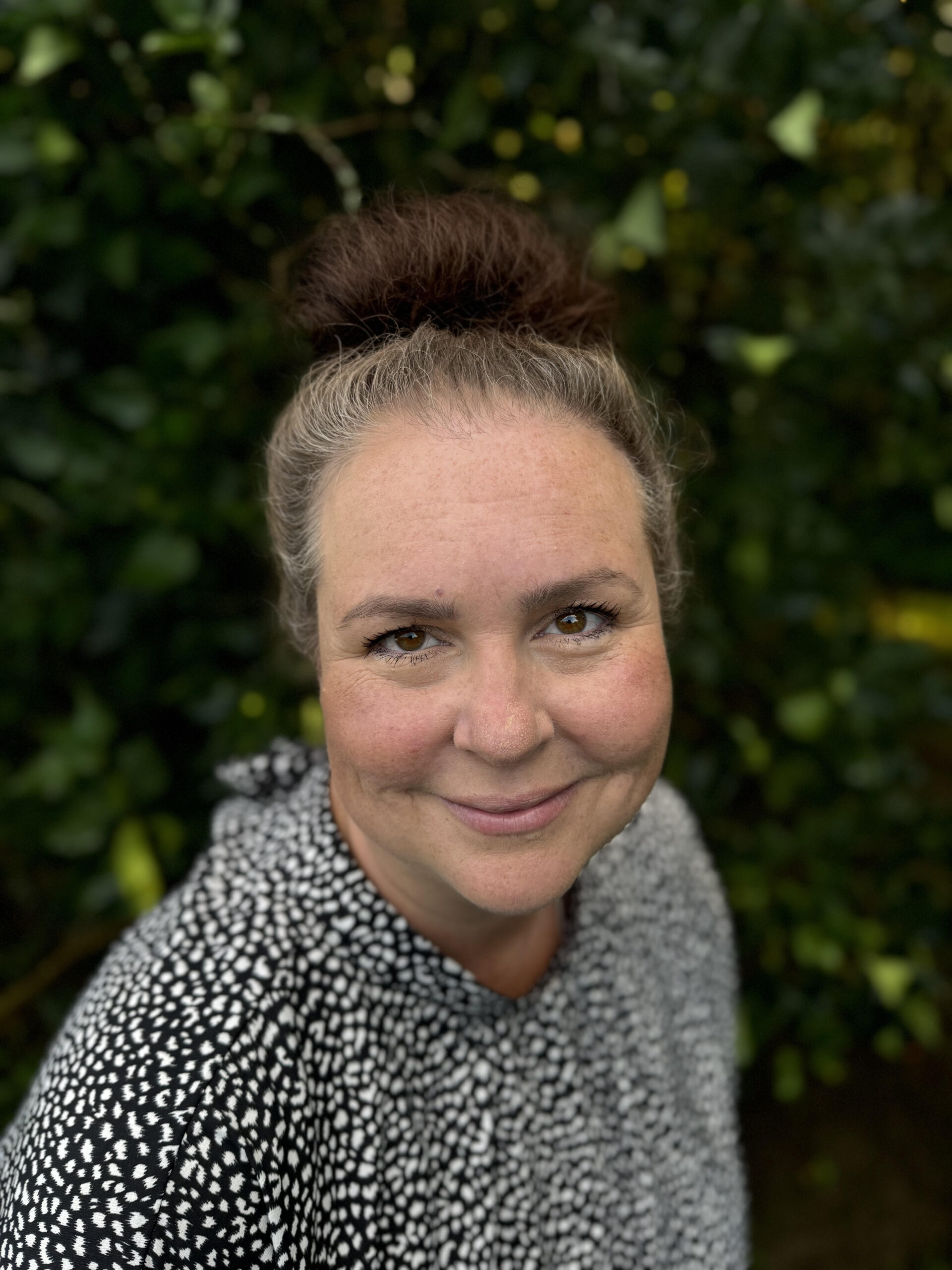
Tammy Cantin
Living Classroom Coordinator, CESBA
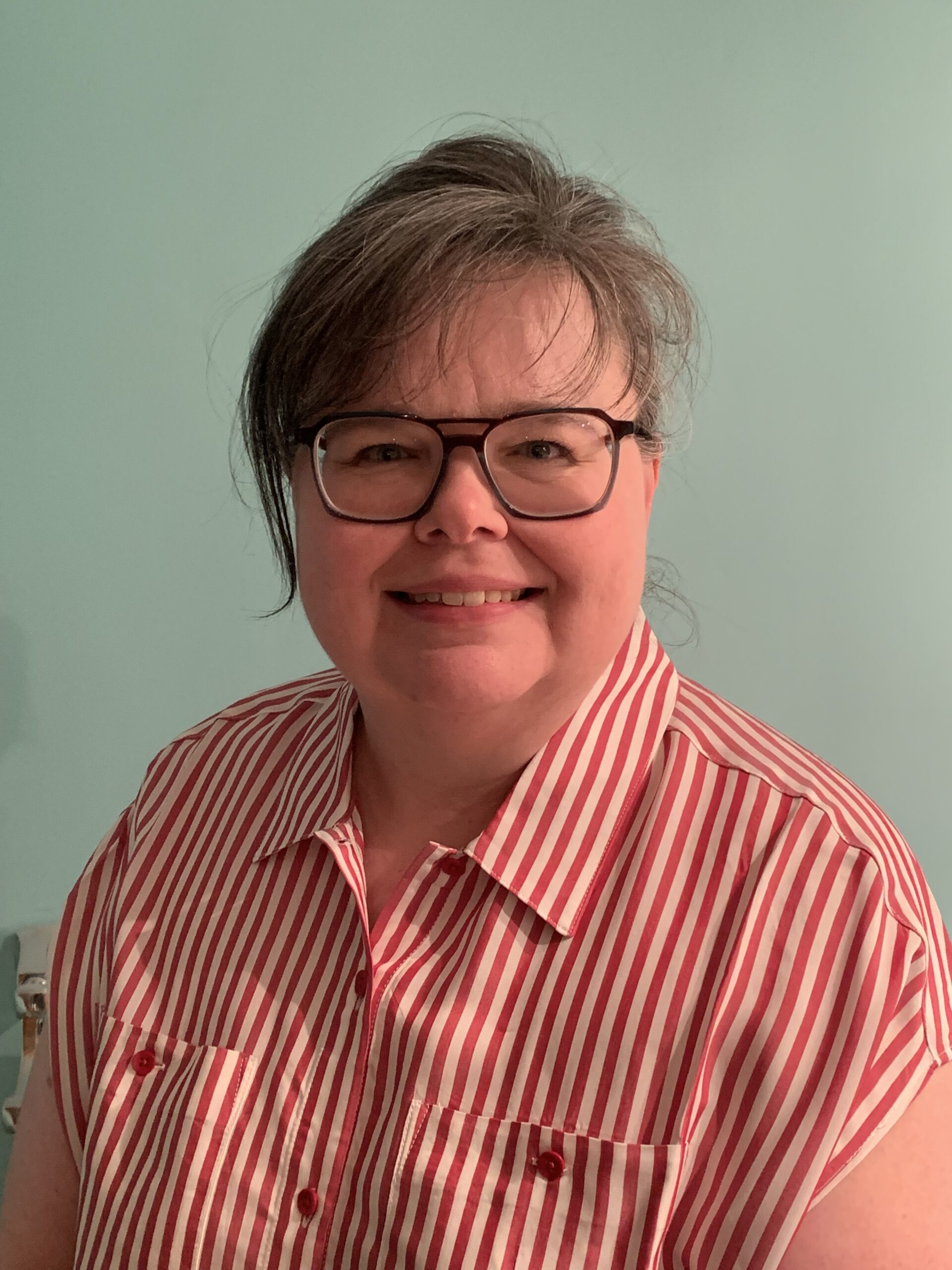
Angela Butt
Living Classroom Outreach Consultant, Schlegel-UW Research Institute for Aging
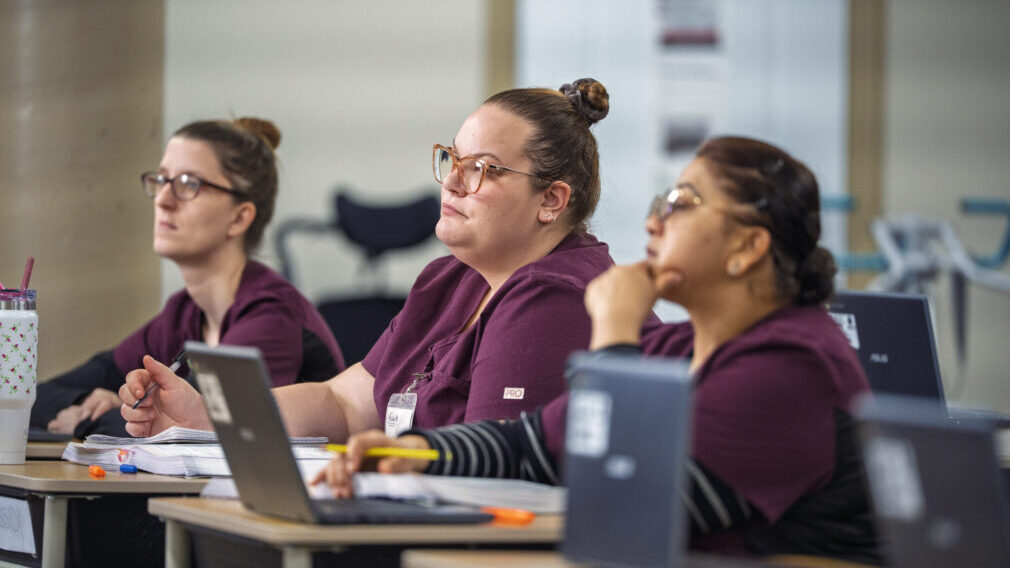
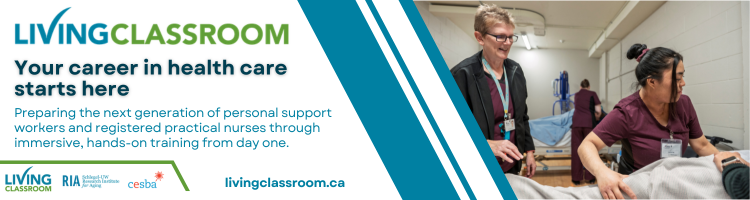
The Living Classroom is a groundbreaking learning model that trains future personal support workers and registered practical nurses through direct, hands-on experience.
By 2040, Canada’s population of people over 80 is expected to double. Many of them will be living in long-term care or nursing home facilities. Meeting the needs of this rapidly growing senior population will require improved training, recruitment, and retention of personal support workers (PSWs) and registered practical nurses (RPNs).
The Living Classroom is an innovative training model designed to help meet this challenge. By immersing students directly in long-term care homes, future PSWs and RPNs learn through hands-on experience, mentorship, and real-world interaction. Through this approach, they develop enhanced clinical skills, professional confidence, and a deep understanding of compassionate, resident-centred care. Integration starts from day one and by the end of their training, students are prepared for rewarding careers delivering quality care and support to older adults.
The initial Living Classroom model was established in 2009 through a pioneering partnership between Conestoga College, Schlegel Villages, and the Schlegel-UW Research Institute for Aging in Waterloo, Ontario. Building on that success, a formalized province-wide Living Classroom program was launched in 2023. The program is currently funded by the Government of Ontario and led by the Schlegel-UW Research Institute for Aging (RIA) in partnership with CESBA (the Ontario Association of Adult and Continuing Education School Board Administrators). There are now Living Classrooms in every health region across Ontario, and further growth continues.
Mediaplanet spoke with representatives from two of the Living Classroom’s project team — Angela Butt, Living Classroom Outreach Consultant at the Schlegel-UW Research Institute for Aging, and Tammy Cantin, Living Classroom Coordinator at CESBA — to learn more about this groundbreaking training model.
Is the education provided at a Living Classroom the same quality as at a traditional school site?
Absolutely. The Living Classroom program is funded by the Government of Ontario, and our education partners all adhere to the Ministry of Colleges, Universities, Research Excellence and Security education standards. Students receive the same curriculum, but with the added benefit of immediate practical application.
What are the job prospects after graduation?
There’s a high demand for skilled health care providers in Ontario. Because students learn inside a long-term care home, they’re often ideally positioned for hiring opportunities at the location where they train or within the broader sector.
Is long-term care a safe and stable career path?
Yes, as the sector is undergoing profound growth and innovation. The Living Classroom model is designed to ensure students are not only competent but also highly confident in their ability to provide safe, high-quality care.
How do students apply to a Living Classroom program?
Applications to the program are handled through our partnering educational institutions, which include public colleges, career colleges, school boards and Indigenous learning institutes.
With the Living Classroom advantage, your career in senior care starts here. Check out the Living Classroom map to find a provider near you.
