Innovating Canada

Community-led forest conservation is helping Canadians restore habitats, protect natural spaces and build stronger connections to nature across the country.
Across Canada, communities are facing growing pressure on the forests that help keep them healthy. Nearby forests do far more than provide scenery: they help clean the air, filter water, cool neighbourhoods, support wildlife, contribute to local economies and offer places for people to connect, exercise and gather. Protecting these spaces requires practical, community-led solutions that bring people together around restoration, education and long-term stewardship.
A community-led conservation solution
At Wildlife Habitat Canada (WHC), we invest in community organizations that know their local landscapes, communities and conservation priorities. Since 2019, our Community Conservation Action Program (CCAP) has distributed $250,000 to support more than 48 projects, helping connect, engage and educate more than 87,000 participants through conservation work in their own communities.
Over the past six years, more than 13 forest-focused projects have been supported from British Columbia to Prince Edward Island. Together, they show how local conservation can address different needs, from restoring habitats and monitoring species to giving residents knowledge and tools to care for and appreciate nearby forests.
Project highlights:
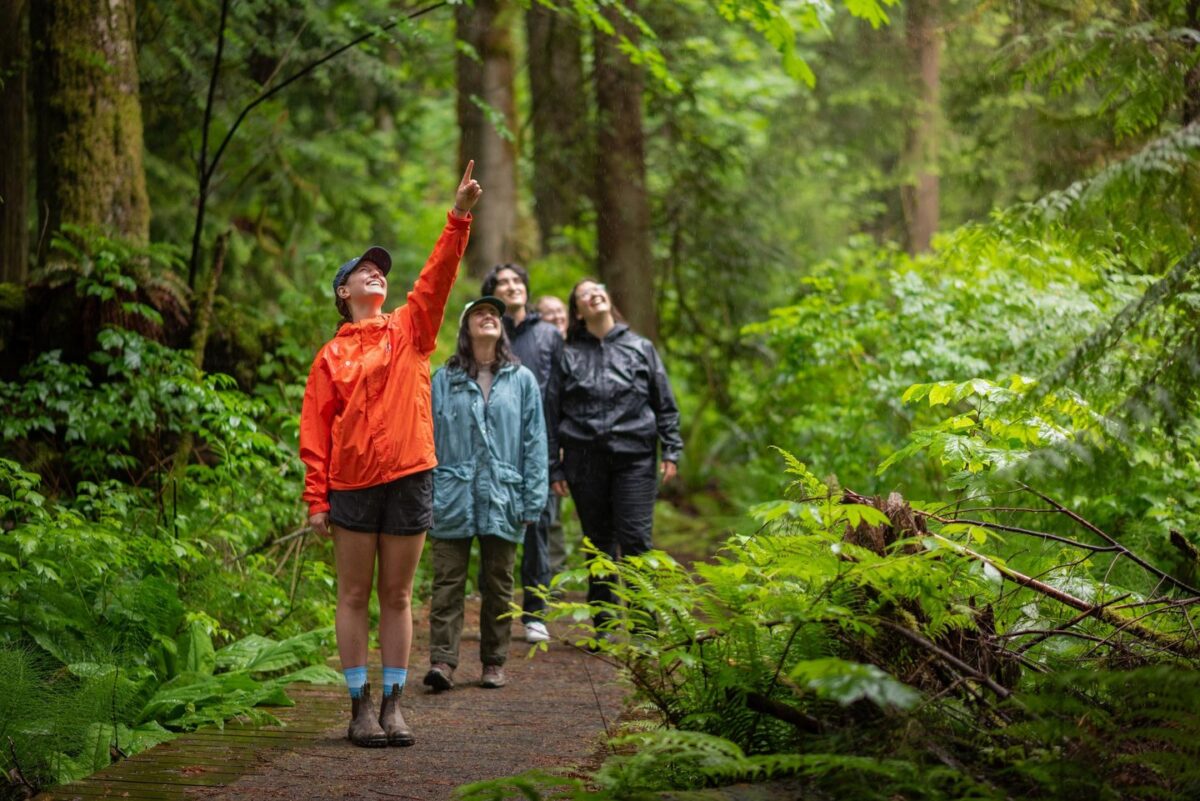
Connecting with forests: Getting outdoors in all four seasons can help people build a deeper relationship with nature. The Hunter-Clyde Watershed Group in PEI brought 62 people into their local forests to learn to identify plants, mushrooms and more from knowledgeable guides. By creating welcoming, hands-on opportunities to connect with nature year-round, the walks helped strengthen community ties and encouraged residents to see nearby forests as places worth learning from, caring for and protecting.
Engaging youth: One of the strongest ways to ensure future generations inherit healthy, resilient forests is to involve young people in their care today. By building knowledge, practical skills and a personal connection to natural spaces, youth can become lifelong stewards of Canada’s forests. In 2025, the Raincoast Conservation Foundation’s Salish Sea Emerging Stewards program gave youth hands-on experience monitoring forest health and biodiversity, restoring sensitive habitats and measuring big trees.
Educating communities: Micro-forests offer a human-scale example of how biodiversity, climate action and community engagement can work together. In 2023, All Our Relations worked with more than 40 community members in Waterloo Region, Ont., to plant nearly 800 trees and develop the region’s first micro-forest. The project increased local biodiversity, built climate resilience and helped residents learn about the benefits and feasibility of micro-forests, while also bringing volunteers and like-minded organizations together.
Projects like these bring Canadians closer to nature, build community and protect habitat for generations to come. Learn more about community conservation action projects across Canada at Wildlife Habitat Canada.
Connect. Protect. Together.
Wildlife Habitat Canada (WHC) is a national conservation charity working together with community partners from coast to coast to connect Canadians to nature and protect important habitat for wildlife. Through funding, collaboration and community-based action, we support local projects that restore habitats, inspire stewardship and create lasting benefits for people, wildlife and the natural places they share.
You can support community conservation action! Learn how you can get involved at whc.org.